Description
Product Video
1. Your Sensor Is a Data Logger – Use It to Predict Main Pump Failure
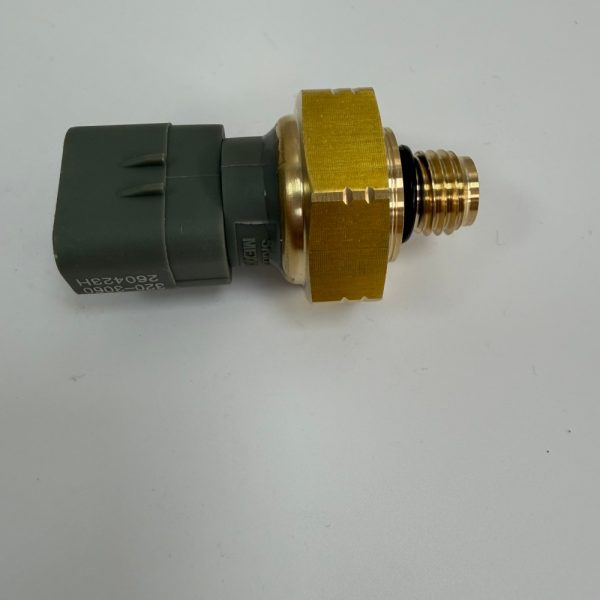
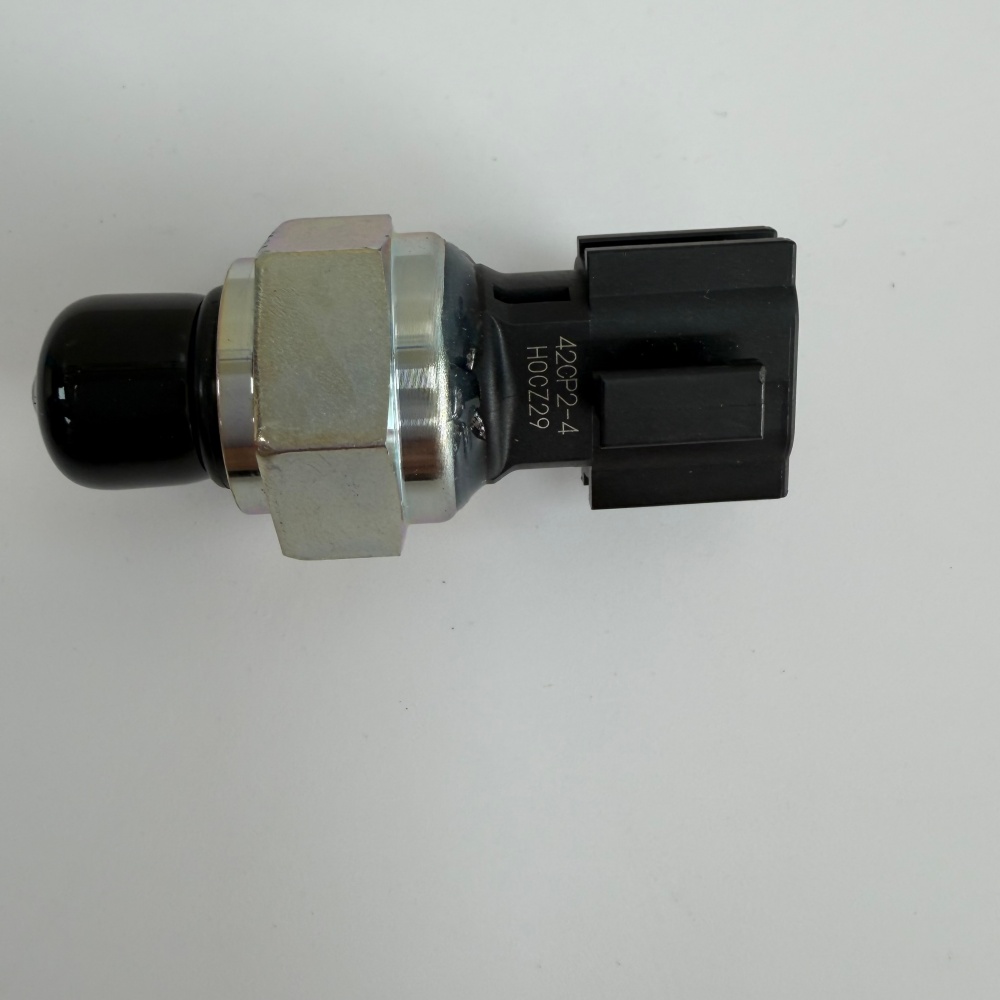
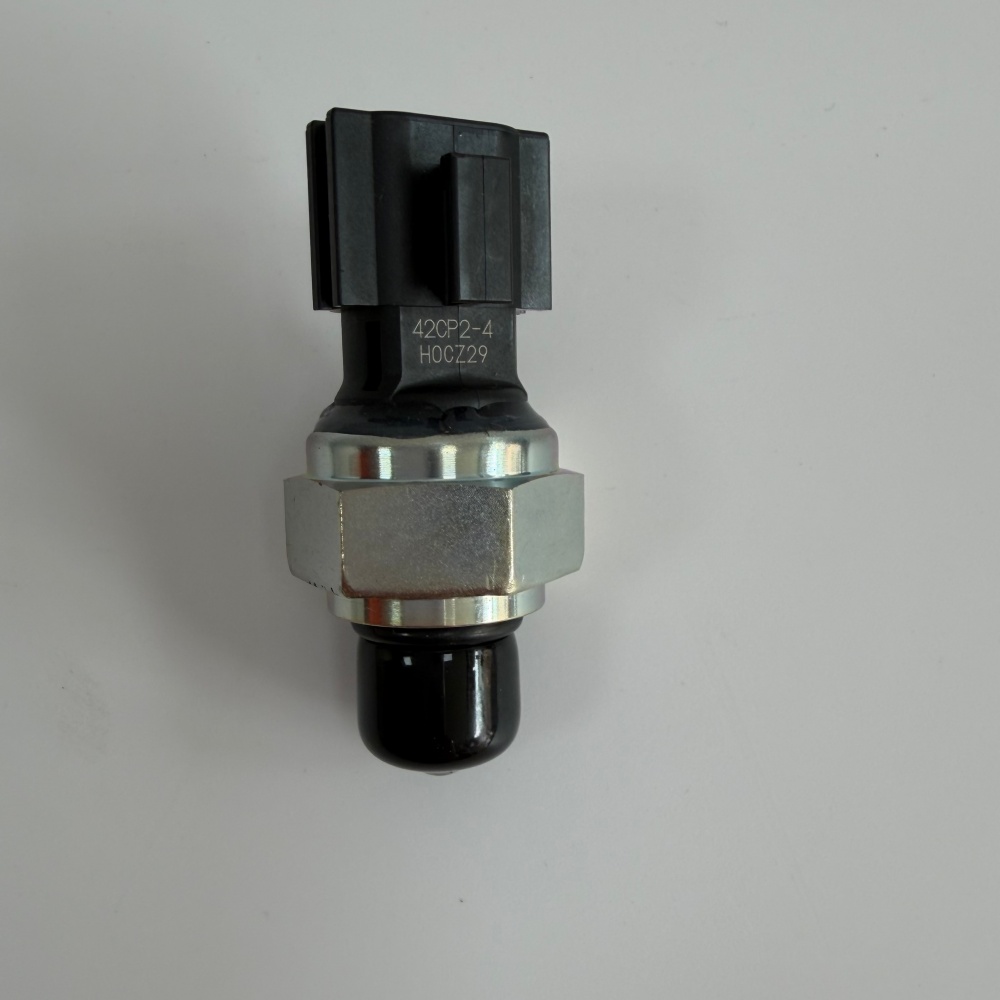
Most owners treat the high pressure sensor (4436271 series) as a simple replacement part: it breaks, you change it. But on EX200-2/3/5, this sensor records every pressure spike inside the main pump. By monitoring its output over time, you can spot pump wear months before a catastrophic failure.
| Pressure Pattern on Monitor | What It Means | Action |
|---|---|---|
| Pressure ripple increases (normal: 5–10 bar variation → now: 20–30 bar) | Pump pistons or slippers wearing unevenly | Schedule pump overhaul within 500 hours |
| Peak pressure drops (should reach 320 bar → now max 280 bar) | Internal leakage past piston seals | Replace pump soon – loss of digging power |
| Pressure “spikes” at idle (sensor shows sudden 50–100 bar jumps when levers are neutral) | Sensor failing OR pump control valve sticking | Test sensor first; if good, clean pump regulator |
| Pressure slowly rises with engine off (key off, sensor reads 10 bar after 1 hour) | Sensor internal leak (oil wicking) – will eventually short ECU | Replace sensor immediately |
You don’t need special tools – just look at the pressure reading on the dashboard monitor while operating. A healthy pump + good sensor = smooth, predictable pressure changes.
2. The Sensor as an Early Warning for Contaminated Oil
Hydraulic oil contamination is the #1 killer of main pumps. The high pressure sensor can alert you to contamination before the pump fails – if you know what to watch for.
| Contaminant Type | Effect on Sensor Reading | What’s Actually Happening |
|---|---|---|
| Fine silt (<10 microns) | No direct effect on sensor | Pump wears slowly – you won’t know until performance drops |
| Abrasive particles (sand, metal dust) | Pressure becomes erratic – small “glitches” in the monitor reading | Particles are wearing piston bores. Check oil sample immediately. |
| Water in oil | Sensor may read intermittently high (water shorting the 5V supply) | Water destroys pump bearings. Change oil and seals. |
| Air (foaming oil) | Pressure reading drops suddenly when you hear pump cavitation | Low oil level or bad suction line. Fix before pump runs dry. |
If you see any of these patterns, do not blame the sensor first. Test the sensor (see Section 3) – if it’s good, the problem is in your oil or pump. A new sensor will not fix contaminated oil.
3. The “Five-Minute Sensor Health Check” – No Multimeter Required
You can assess both the sensor and the pump together with a simple sequence:
| Step | Action | Good Result | Bad Result (Sensor) | Bad Result (Pump) |
|---|---|---|---|---|
| 1 | Key on, engine off. Read pressure on monitor. | 0–2 bar | >10 bar (sensor stuck) | N/A |
| 2 | Start engine, idle, levers neutral. | 5–15 bar (standby pressure) | Fluctuates wildly | Pressure normal but pump noisy |
| 3 | Full boom lift (stall against ground). | Pressure climbs smoothly to 300–350 bar | Pressure jumps, drops, or stuck | Pressure low (<250 bar) even with good sensor |
| 4 | Release lever quickly. | Pressure drops to standby within 1 second | Drops slowly (sensor slow response) | Drops slowly (pump control valve sticky) |
If the sensor passes all steps, replace no parts – the pump itself likely has an issue.
4. Real Case – A Sensor Saved a $6,000 Pump
A mining contractor in Ghana had an EX200-5. The operator noticed the pressure reading on the monitor would sometimes “glitch” – jump from 200 bar to 350 bar and back in a split second. The machine still dug fine.
Most mechanics would ignore this. We advised them to send an oil sample. The lab report showed high iron and copper – the pump pistons were shedding metal. The glitching sensor was simply reporting the pressure spikes caused by worn pistons catching in their bores.
They proactively replaced the pump (rebuilt unit) during scheduled downtime – cost $5,000. Had they waited, the pump would have exploded, scattering metal through the whole hydraulic system. Total repair would have exceeded $12,000.
The sensor didn’t fail – it reported the truth. They listened, and saved $7,000.
5. When to Replace the Sensor (Even If It Tests Good)
The 4436271 series has a typical lifespan of 8,000–10,000 hours. Replace it preventatively if:
| Condition | Reason |
|---|---|
| Over 8,000 hours on the machine | The strain gauge adhesive degrades with heat cycles |
| You are doing a main pump overhaul | A new pump deserves a new sensor – don’t trust an old one |
| Machine has been overheated (hydraulic oil >100°C) | High heat damages the sensor’s internal electronics |
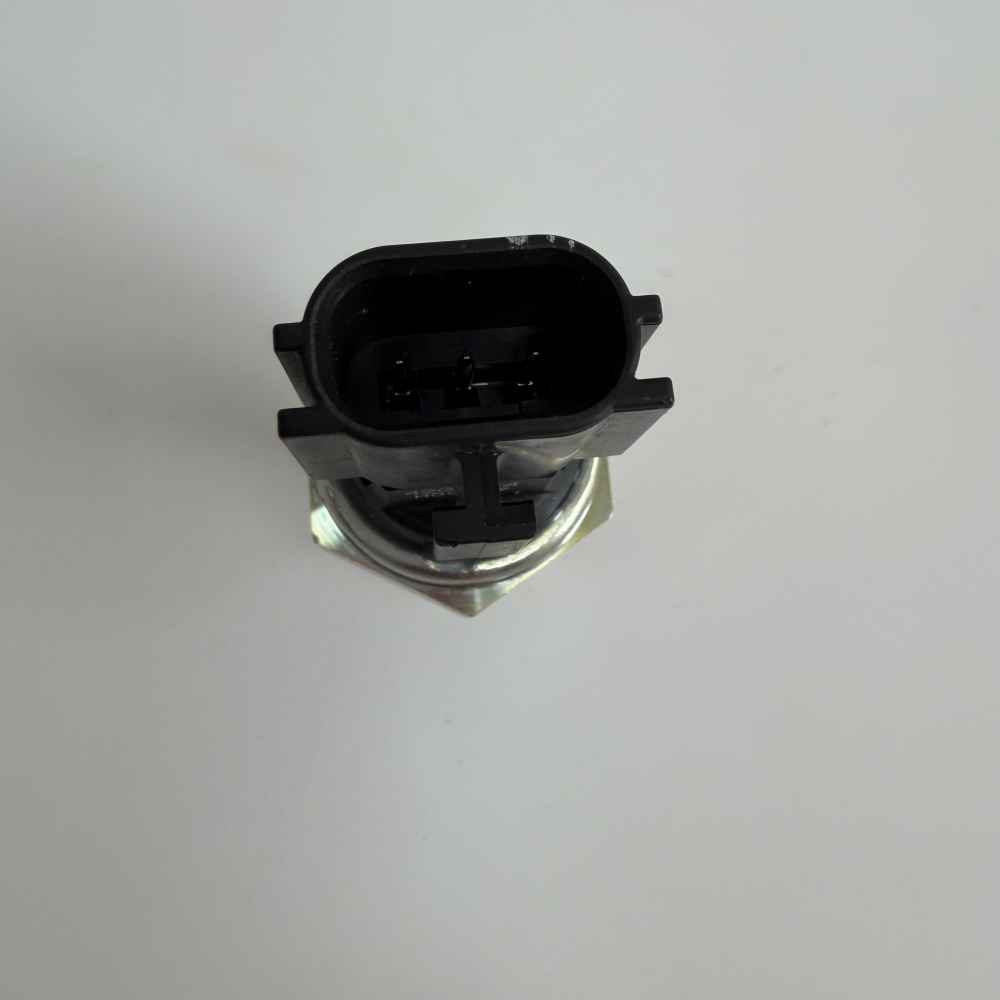
| You see oil residue inside the connector (even a smear) | Internal diaphragm is failing – oil will soon reach the ECU |
Cost of proactive replacement: < $150.
**Cost of reactive replacement after it fails and possibly damages the ECU:** $150 for sensor + $1,500 for ECU repair.
6. Installation – Protecting the ECU from Oil Creep
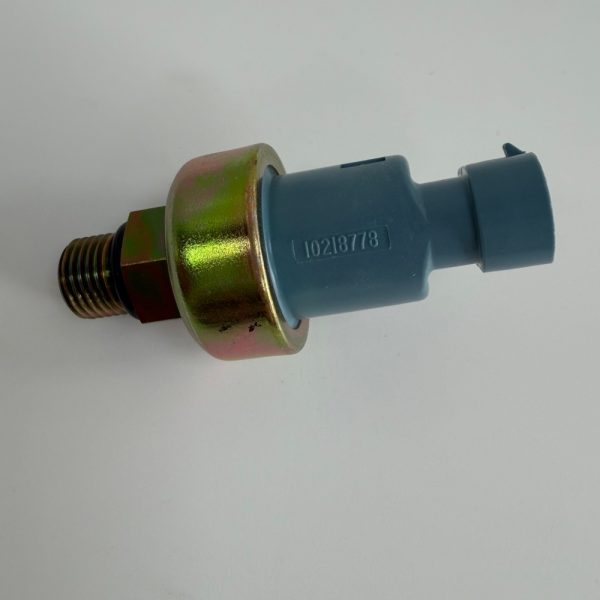
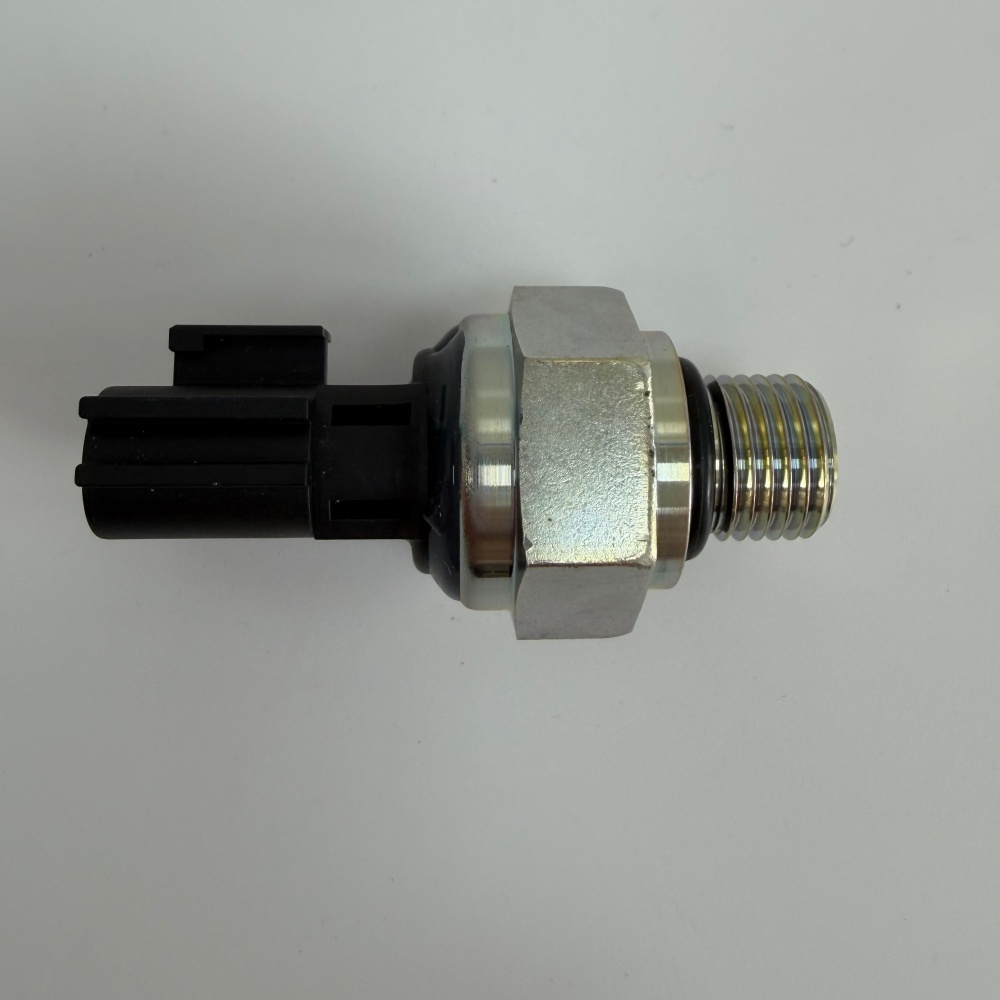
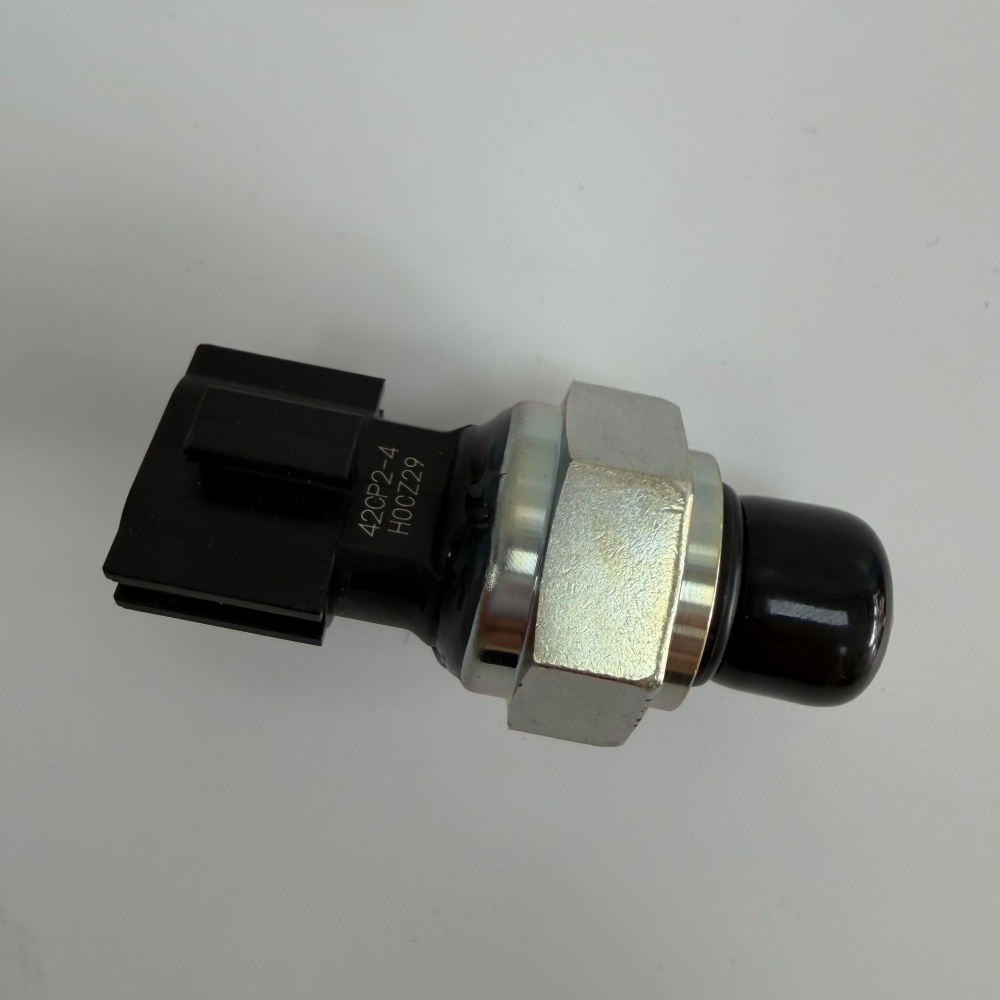
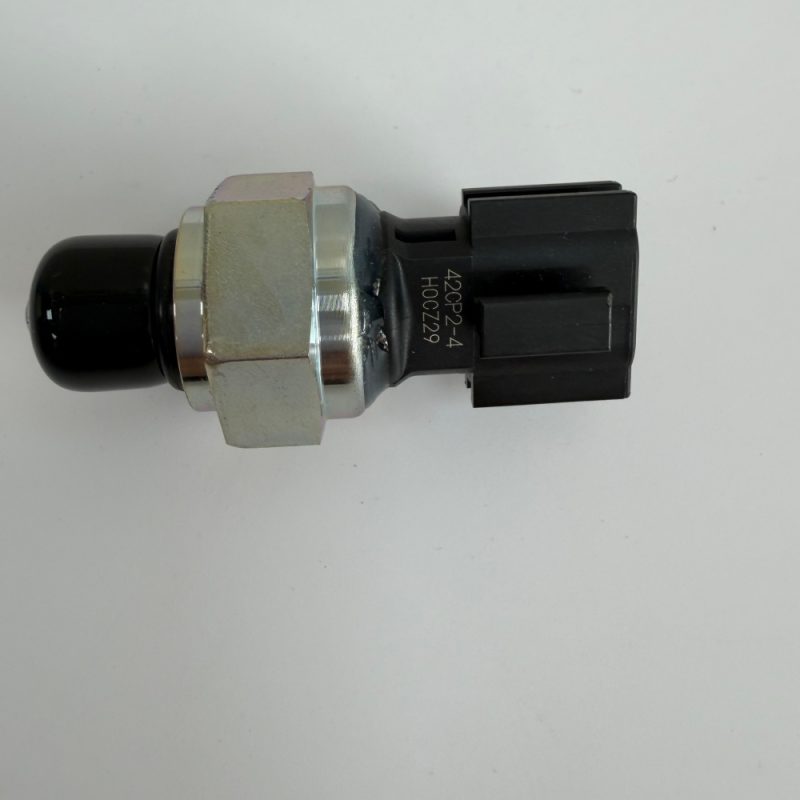
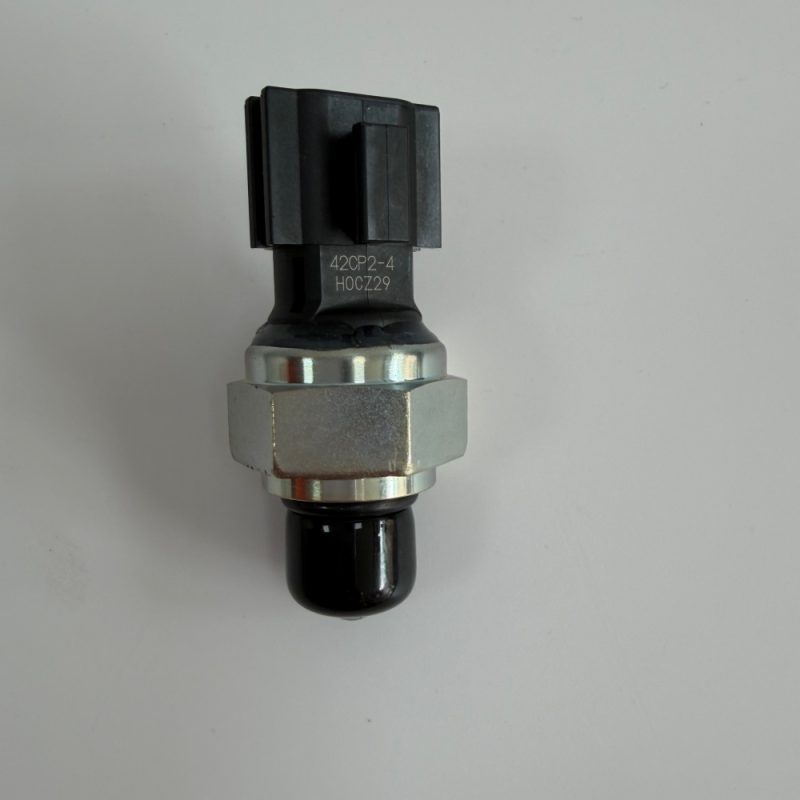
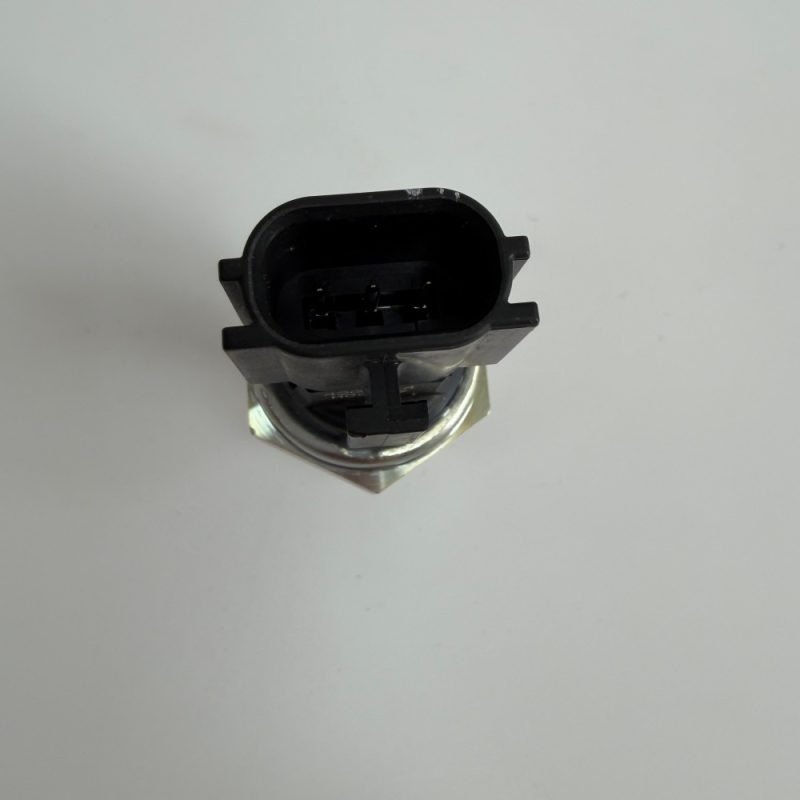
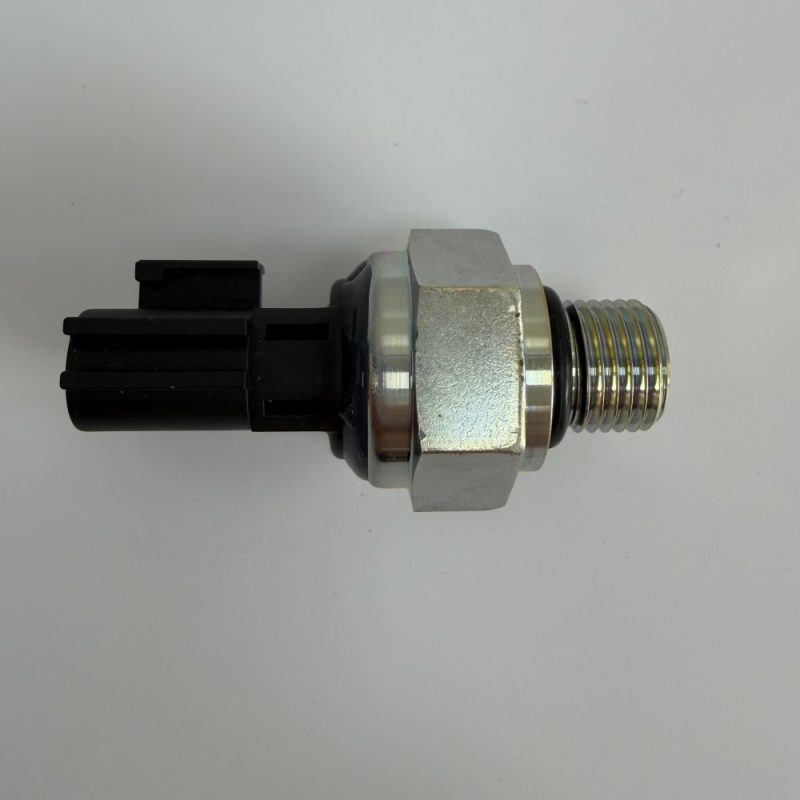
The 4436271 is a three-pin active sensor with a copper sealing washer. The most common installation mistake is not the torque – it’s the connector orientation.
| Correct | Incorrect |
|---|---|
| Connector pointing upward or horizontally | Connector pointing downward |
| Why? Any oil leak will drip away from the connector. | Oil pools in the connector and wicks into the harness – reaching the ECU. |
If the mounting boss forces the connector downward (poor design), apply a small amount of dielectric grease inside the connector and use a heat shrink boot over the joint. This slows oil wicking.
Torque specification: 30–35 Nm. Do not reuse the copper washer – it work-hardens and will not seal again. A new washer is included.
7. Product Contents – Genuine Hitachi
| Item | Included |
|---|---|
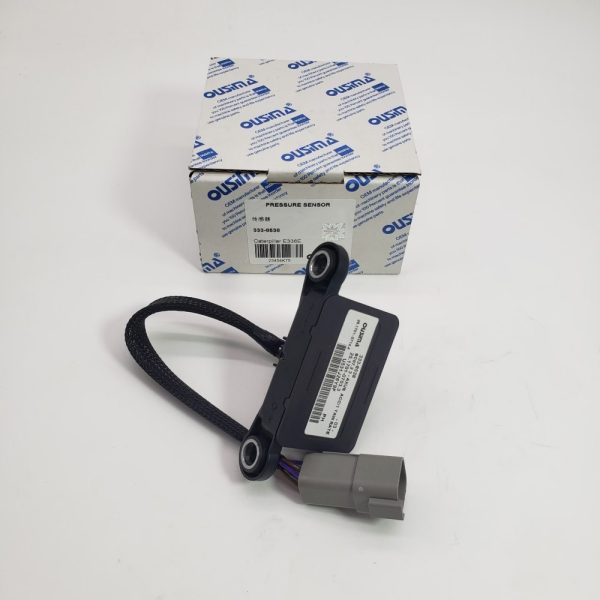
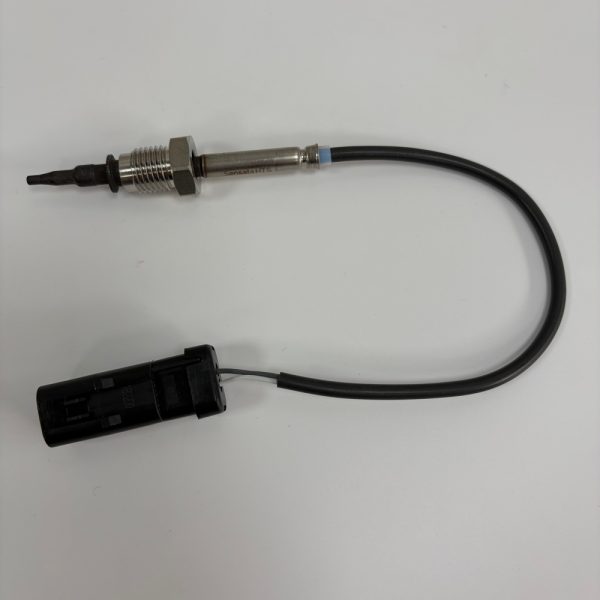
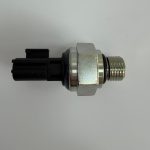
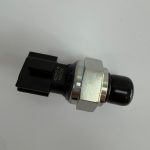
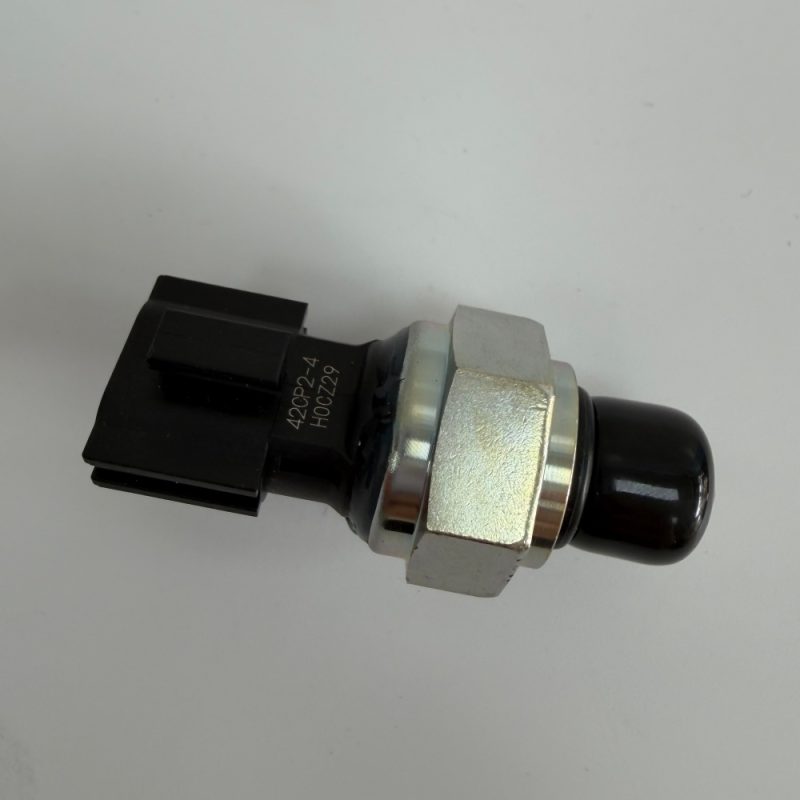
| High pressure sensor (4436271 / 4703324 / 4355012) | ✅ (Japan) |
| Copper sealing washer | ✅ (new, pre-installed) |
| Protective cap (threads) | ✅ |
| Paper box with part number label | ✅ |
| (Optional) 3-pin pigtail harness | Upon request (for corroded connectors) |
Not included: Dielectric grease, heat shrink.
8. Ordering & Delivery
| Item | Detail |
|---|---|
| MOQ | 1 piece |
| Lead time | 6–8 working days |
| Packaging | Paper box + bubble wrap |
| Payment | T/T, XTransfer, PayPal, Western Union |
| Supply capacity | 300 pcs/month |
| Warranty | 6 months (manufacturing defects) |