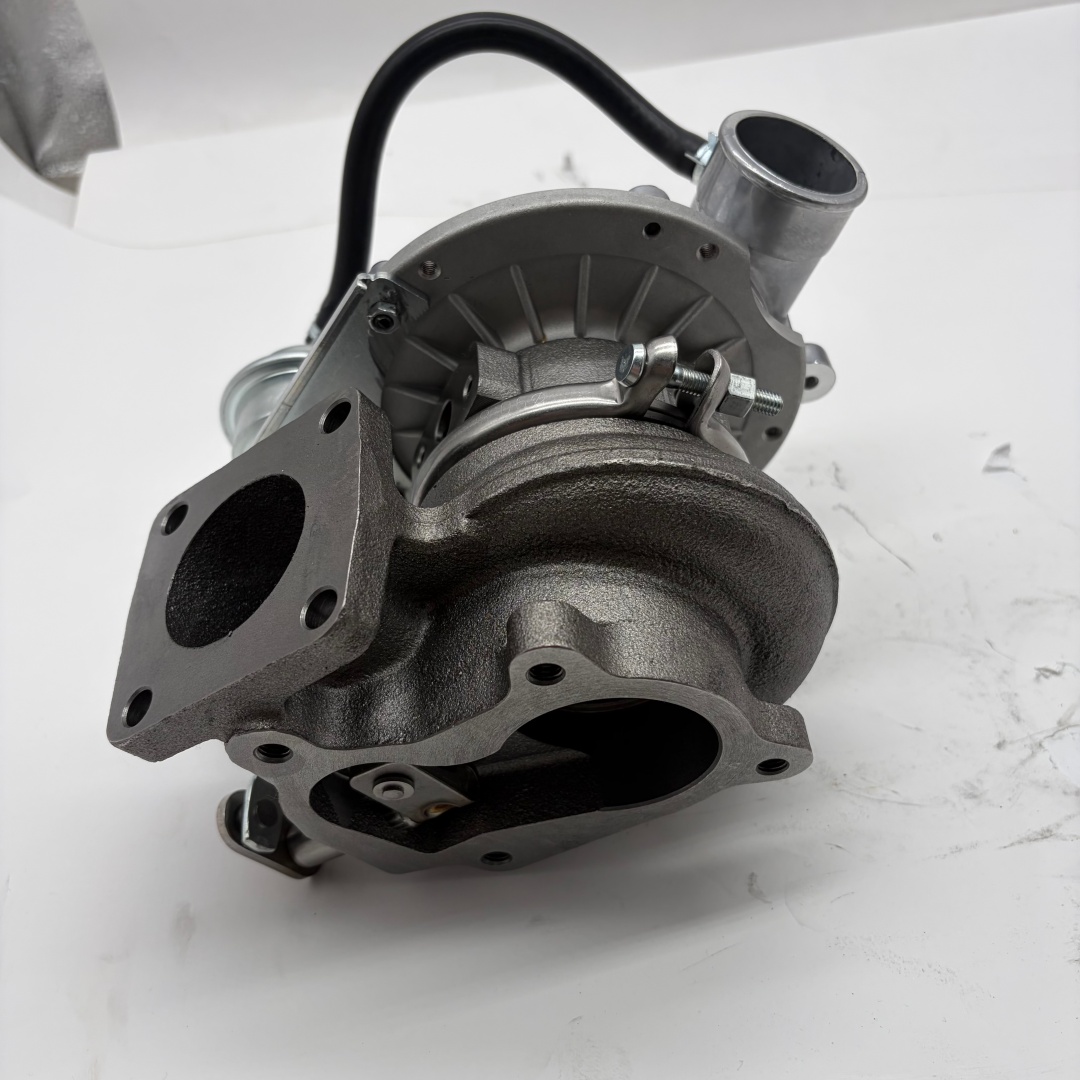
Ο Yanmar 4TNV98-2 Υπερσυμπιεστής παρουσιάζεται στον κατάλογο της Hongtengda ως σημείο αναφοράς για έρευνα ανταλλακτικών εκσκαφέα. Ο παρών οδηγός εξηγεί πώς ένα συνεργείο, ένας ιδιοκτήτης στόλου ή ένας διανομέας μπορεί να διαγνώσει το περιβάλλον σύστημα, να ορίσει σωστά το εξάρτημα, να συγκρίνει μια προσφορά και να θέσει τη μηχανή σε λειτουργία χωρίς να μετατρέψει μια συσχέτιση καταλόγου σε αβάσιμη υπόσχεση συμβατότητας. Η αντικατάσταση ενός turbo χωρίς διόρθωση της λιπαντικής πείνας, του περιορισμού αποστράγγισης, της διαρροής εισαγωγής, του περιορισμού εξαγωγής, της μόλυνσης ή της διαφυγής καυσαερίων του κινητήρα μπορεί να επαναλάβει την αστοχία. Το πρακτικό έργο είναι επομένως η οικοδόμηση μιας αλυσίδας τεκμηρίωσης: αναγνώριση της μηχανής, τεκμηρίωση της παλαιάς μονάδας, δοκιμή του συστήματος, επιθεώρηση κάθε διεπαφής, έλεγχος μόλυνσης και καταγραφή του αποτελέσματος. Ο τίτλος του προϊόντος και η φωτογραφία είναι χρήσιμα σημεία εκκίνησης. Δεν αποδεικνύουν από μόνα τους εναλλαξιμότητα, εσωτερική προδιαγραφή, λογισμικό, βαθμονόμηση, ρύθμιση πίεσης, υλικό, απόθεμα, παράδοση, εγγύηση ή καταλληλότητα για συγκεκριμένο σειριακό αριθμό.
Τι καλύπτει αυτός ο οδηγός turbocharger
Το εξάρτημα λειτουργεί εντός του συστήματος αέρα και εξαγωγής του κινητήρα του εκσκαφέα και ο γενικός ρόλος του είναι να χρησιμοποιεί την ενέργεια των καυσαερίων για να αυξάνει τη μάζα του αέρα εισαγωγής, ενώ εξαρτάται από καθαρό λάδι, απεριόριστο αέρα, υγιή σωληνώσεις εξαγωγής και σωστό έλεγχο κινητήρα. Το άρθρο ακολουθεί την εργασία από τη σύλληψη συμπτώματος μέσω αναγνώρισης, ελεγχόμενης δοκιμής, αγοράς, εγκατάστασης και σταδιακής αποδοχής. Τυπικά παράπονα περιλαμβάνουν καπνό, χαμηλή ισχύ, διαρροή λαδιού, θόρυβο, επαφή συμπιεστή ή στροβίλου, αργή απόκριση, σφάλματα υπερπλήρωσης ή επαναλαμβανόμενη αστοχία turbo. Αυτές οι παρατηρήσεις είναι πολύτιμες μόνο όταν καταγράφεται η συνθήκη λειτουργίας. Σημειώστε τη θερμοκρασία λαδιού και ψυκτικού, τις στροφές κινητήρα, την επιλεγμένη λειτουργία εργασίας, το φορτίο προσαρτήματος, την κατεύθυνση πορείας, τη θέση άνω κατασκευής, τους ενεργούς κωδικούς και αν το πρόβλημα είναι σταθερό ή διακοπτόμενο. Χρησιμοποιήστε τις ακριβείς πληροφορίες σέρβις της μηχανής για ασφάλεια, συνδέσεις δοκιμών, όρια, ρευστά, διαδικασίες σύσφιξης, βήματα λογισμικού και κριτήρια αποδοχής. Οι γενικές βιομηχανικές πηγές σε αυτό το άρθρο εξηγούν μεθόδους· δεν καθορίζουν τιμές ειδικές για το μοντέλο. Για τον προσφερόμενο turbocharger, σημειώστε αυτό το σημείο ελέγχου ως επιβεβαιωμένο, άλυτο ή μη εφαρμόσιμο πριν από την έγκριση.
Ξεκινήστε με την ταυτότητα, όχι με υποθέσεις
Ξεκινήστε με τον πλήρη αριθμό αναγνώρισης της μηχανής και ένα ευανάγνωστο αρχείο του αφαιρεθέντος εξαρτήματος. Για τον Yanmar 4TNV98-2 Υπερσυμπιεστή, συλλέξτε σειριακούς αριθμούς κινητήρα και μηχανής, ετικέτα turbo, γεωμετρία περιβλήματος και φλάντζας, προσανατολισμό τροφοδοσίας και αποστράγγισης λαδιού, λεπτομέρειες ενεργοποιητή, κατάσταση διαδρομής αέρα, περιορισμό εξαγωγής και υπολείμματα αστοχίας. Φωτογραφίστε τον εγκατεστημένο προσανατολισμό πριν αποσυνδέσετε οτιδήποτε και στη συνέχεια προσθέστε ένα απλό σκίτσο που αποδίδει σε κάθε εύκαμπτο σωλήνα, σύνδεσμο, βραχίονα και παρακείμενο εμπόδιο μια μοναδική ετικέτα. Μην συμπτύσσετε διαφορετικά πεδία τεκμηρίωσης σε ένα μόνο όνομα μοντέλου. Ένας προμηθευτής πρέπει να γνωρίζει ποια παρατήρηση προήλθε από την πινακίδα της μηχανής, ποια από το παλαιό εξάρτημα και ποια από ηλεκτρονικό ή έντυπο κατάλογο. Εάν δύο αναγνωριστικά συγκρούονται, διατηρήστε τη σύγκρουση και επιλύστε την πριν από την αποστολή. Ο ακόλουθος πίνακας είναι σχεδιασμένος να συνοδεύει το RFQ, την προσφορά, την επιθεώρηση παραλαβής και το δελτίο εργασίας του συνεργείου.
| Ομάδα τεκμηρίωσης | Τι πρέπει να περιέχει το RFQ ή το αρχείο εργασίας |
|---|---|
| Ταυτότητα μηχανήματος | Καταγράψτε το πλήρες μοντέλο μηχανής και σειριακό αριθμό/PIN πριν βασιστείτε σε όνομα οικογένειας μοντέλου. |
| Ταυτότητα παλαιάς μονάδας | Φωτογραφίστε κάθε ετικέτα, σημάδι χύτευσης, σύνδεσμο, θύρα, φλάντζα και στοιχείο προσανατολισμού. |
| Τεκμηρίωση διεπαφής | σειριακοί αριθμοί κινητήρα και μηχανής, ετικέτα turbo, γεωμετρία περιβλήματος και φλάντζας, προσανατολισμός τροφοδοσίας και αποστράγγισης λαδιού, λεπτομέρειες ενεργοποιητή, κατάσταση διαδρομής αέρα, περιορισμός εξαγωγής και θραύσματα αστοχίας |
| Ένδειξη βλάβης | δεδομένα υπερπλήρωσης και εντολής, περιορισμός εισαγωγής, τεκμηρίωση εξαγωγής, κατάσταση παροχής και αποστράγγισης λαδιού, τεκμηρίωση κίνησης άξονα, κωδικοί σφάλματος, συμπεριφορά καπνού και έλεγχοι διαρροών |
| Εμπορικό πεδίο | Επιβεβαιώστε γραπτώς την κατάσταση, τον περιλαμβανόμενο εξοπλισμό, τη συντήρηση, την τεκμηρίωση δοκιμών, τη συσκευασία, τον χρόνο παράδοσης και την εγγύηση. |
Διαγνώστε το σύστημα πριν από την παραγγελία
Δημιουργήστε μια γραμμή βάσης ενώ η μηχανή είναι ακόμη πλήρης, όποτε είναι δυνατή η ασφαλής πρόσβαση. Καταγράψτε δεδομένα υπερπίεσης και εντολής, περιορισμό εισαγωγής, ενδείξεις εξαγωγής, κατάσταση παροχής και αποστράγγισης λαδιού, ενδείξεις κίνησης άξονα, κωδικούς βλαβών, συμπεριφορά καπνού και ελέγχους διαρροών. Συγκρίνετε επαναλήψιμα σημεία λειτουργίας αντί για μεμονωμένες μετρήσεις. Μια τιμή που λαμβάνεται με κρύα μηχανή, άγνωστη ταχύτητα κινητήρα ή διαφορετική εντολή δεν μπορεί να συγκριθεί αξιόπιστα με δοκιμή εν θερμώ υπό φορτίο. Διαχωρίστε αιτία, συνέπεια και παρεπόμενη ζημιά. Ένας αδύναμος ενεργοποιητής μπορεί να αλλάξει τον ήχο της αντλίας· μια περιορισμένη επιστροφή μπορεί να δημιουργήσει θερμότητα· μια κατεστραμμένη καλωδίωση μπορεί να δημιουργήσει απόκριση ελέγχου που μοιάζει με υδραυλική φθορά. Ο στόχος δεν είναι η συλλογή του μεγαλύτερου αριθμού μετρήσεων. Είναι η επιλογή δοκιμών που μπορούν να διαψεύσουν ανταγωνιστικές αιτίες. Σταματήστε τη δοκιμή όταν αποθηκευμένη υδραυλική ενέργεια, ασταθής υποστήριξη, περιστρεφόμενα μέρη, θερμές επιφάνειες, πίεση καυσίμου ή ανεξέλεγκτη κίνηση δεν μπορούν να διαχειριστούν. Η αποσυμπίεση, η απομόνωση, η ανύψωση, η ασφάλιση, η καθαριότητα και η ατομική προστασία πρέπει να ακολουθούν τις οδηγίες της μηχανής και του εξαρτήματος. Το δελτίο εργασίας του Yanmar 4TNV98-2 Υπερσυμπιεστή πρέπει να δείχνει ποιος ολοκλήρωσε αυτόν τον έλεγχο, υπό ποια συνθήκη λειτουργίας και με ποια πηγή.
Τεκμηρίωση αστοχίας ειδική για τον Yanmar 4TNV98-2 Υπερσυμπιεστή
Επιθεωρήστε τους τροχούς συμπιεστή και στροβίλου, την επαφή με το περίβλημα, την τροφοδοσία και αποστράγγιση λαδιού, το ιστορικό φίλτρου αέρα, τη σωλήνωση αέρα πλήρωσης, την πολλαπλή εξαγωγής, ενδείξεις ξένων σωμάτων και τις επιφάνειες στήριξης. Αντιμετωπίστε τη μόλυνση και τις κατεστραμμένες διεπαφές ως τεκμηρίωση συστήματος, όχι απλώς ως ελαττώματα προς σκούπισμα. Φωτογραφίστε την κατάσταση πριν από τον καθαρισμό, δειγματοληπτήστε υγρά μέσω ελεγχόμενης μεθόδου όπου απαιτείται και διατηρήστε τα αφαιρεθέντα φίλτρα ή μαγνητικά υπολείμματα συνδεδεμένα με το αρχείο εργασίας. Μια απόφαση αντικατάστασης πρέπει να εξηγεί γιατί η παρατηρούμενη αστοχία μπορεί να δημιουργήσει το παράπονο και γιατί οι εύλογες εναλλακτικές απορρίφθηκαν. Εάν η τεκμηρίωση δεν συνδέει το εξάρτημα με το σύμπτωμα, συνεχίστε τη διάγνωση. Αυτή η πειθαρχία προστατεύει τόσο τον αγοραστή όσο και τον προμηθευτή από μια δαπανηρή αλλά ασαφή αλλαγή εξαρτημάτων. Όταν μια αφαιρεθείσα μονάδα αποστέλλεται για αξιολόγηση, διατηρήστε αμέσως θύρες και συνδέσμους. Προσδιορίστε εάν η αναφορά αφορά το πλήρες συγκρότημα, ένα υποεξάρτημα ή μόνο το ορατό εξωτερικό. Ένα καθαρό εξωτερικό δεν αποτελεί απόδειξη αποδεκτής εσωτερικής κατάστασης και ένα εσωτερικό ελάττωμα δεν αποτελεί απόδειξη ότι κάθε διεπαφή ταιριάζει με το προσφερόμενο ανταλλακτικό. Κατά τη σύγκριση προσφορών για τον Yanmar 4TNV98-2 Υπερσυμπιεστή, ζητήστε από κάθε προμηθευτή να απαντήσει γραπτώς στο ίδιο αυτό σημείο τεκμηρίωσης.
Επιλέξτε επισκευή, ανακατασκευή ή αντικατάσταση βάσει τεκμηρίωσης
| Απόφαση | Μοτίβο τεκμηρίωσης | Απαιτούμενη επόμενη ενέργεια |
|---|---|---|
| Συνεχίστε τη διάγνωση | Η ταυτότητα είναι αβέβαιη ή η τεκμηρίωση συστήματος υποδεικνύει εκτός του turbocharger. | Ολοκληρώστε ελεγχόμενες δοκιμές και συγκρίνετε και τις δύο πλευρές του κυκλώματος. |
| Επισκευή ή ανακατασκευή | Οι διεπαφές είναι σωστές και η ανακτήσιμη φθορά είναι τεκμηριωμένη. | Συμφωνήστε για το πεδίο ανταλλακτικών, τις μετρήσεις, την καθαριότητα, τη μέθοδο δοκιμής και το αρχείο αποδοχής. |
| Αντικατάσταση συγκροτήματος | Δομικές ή επιφάνειες ακριβείας είναι ακατάλληλες, το πεδίο είναι αβέβαιο ή ο χρόνος διακοπής ευνοεί πλήρη μονάδα. | Αντιστοιχίστε το πλήρες σύνολο διεπαφών και λάβετε γραπτή τεκμηρίωση κατάστασης και δοκιμών. |
| Σταματήστε και κλιμακώστε | Υπάρχει ρωγμή, επικίνδυνη αποθηκευμένη ενέργεια, σοβαρή μόλυνση, ανεξέλεγκτη κίνηση ή ελλι. | Use the machine manual and a qualified repair process before continuing. |
Τα οικονομικά της επισκευής πρέπει να περιλαμβάνουν τον χρόνο διακοπής λειτουργίας της μηχανής, την εργασία αφαίρεσης και εγκατάστασης, τον καθαρισμό του υποστηρικτικού συστήματος, τη βαθμονόμηση ή τον προγραμματισμό, τα μεταφορικά και τη συνέπεια μιας επαναλαμβανόμενης αστοχίας. Συγκρίνετε προσφορές στο ίδιο πεδίο εφαρμογής. Μια χαμηλή τιμή για μια γυμνή μονάδα δεν είναι ισοδύναμη με ένα δοκιμασμένο συγκρότημα με τα απαιτούμενα χειριστήρια, εξαρτήματα σύνδεσης, τεκμηρίωση και συντήρηση. Για ανακατασκευασμένα εξαρτήματα, ρωτήστε ποια αναλώσιμα και επιφάνειες ακριβείας επιθεωρήθηκαν, τι αντικαταστάθηκε, πώς ελέγχθηκε η καθαριότητα και ποιο αρχείο δοκιμής συνοδεύει τη σειριοποιημένη μονάδα. Για μια νέα μονάδα, ζητήστε ιχνηλάσιμη ταυτότητα, συνθήκες αποθήκευσης, προστατευτική συσκευασία και την ακριβή παρεχόμενη διαμόρφωση. Διατηρήστε αυτό το αποτέλεσμα στο αρχείο παραλαβής και θέσης σε λειτουργία για τον Yanmar 4TNV98-2 Υπερσυμπιεστή, ώστε μια μεταγενέστερη ανασκόπηση να μπορεί να αναπαράγει την απόφαση.
Build a quotation that can be checked
Ένα χρήσιμο RFQ για τον Yanmar 4TNV98-2 Υπερσυμπιεστή περιλαμβάνει τον σειριακό αριθμό της μηχανής, την εφαρμογή, την πλήρη ταυτότητα της παλαιάς μονάδας, φωτογραφίες διεπαφών, μετρημένη γεωμετρία, ιστορικό συμπτωμάτων, τεκμηρίωση δοκιμών, σχετικές επισκευές, ευρήματα μόλυνσης, απαιτούμενη κατάσταση, περιλαμβανόμενο υλικό, προορισμό και προθεσμία. Ζητήστε από τον προμηθευτή να επαναλάβει τα καθοριστικά αναγνωριστικά και το πεδίο εφαρμογής στην προσφορά αντί να απαντήσει μόνο με μια τιμή. Η σελίδα καταλόγου για τον Yanmar 4TNV98-2 Υπερσυμπιεστή μπορεί να αναθεωρηθεί here. Use it as an inquiry anchor and send the evidence package before treating the listing as a fitment confirmation. For a broader buying process, review this related excavator guide και this supporting diagnostic article. Commercial claims should be written. Confirm the actual unit condition, included accessories, test documentation, packing method, lead time, shipping terms, return conditions, and warranty basis for the quoted item.
Receiving inspection before installation
Θέστε την αποστολή σε καραντίνα έως ότου ελεγχθούν η ταυτότητα και η κατάσταση. Συγκρίνετε την ετικέτα συσκευασίας, την ετικέτα της μονάδας, τις φωτογραφίες, τις θύρες, τους συνδέσμους, το σχέδιο στήριξης, τις διαστάσεις, την πλευρά προσανατολισμού και τα παρελκόμενα με την εγκεκριμένη προσφορά. Αναζητήστε κρούση, διάβρωση, ελλείποντα πώματα, μετατοπισμένα στεγανοποιητικά, χαλαρό υλικό σύνδεσης και μόλυνση. Κρατήστε τις παλαιές και τις νέες μονάδες δίπλα-δίπλα στον ίδιο προσανατολισμό. Χρησιμοποιήστε ένα γραπτό φύλλο σύγκρισης και σημειώστε κάθε καθοριστική διεπαφή ως συμβατή, μη συμβατή ή άλυτη. Μην τροποποιείτε βραχίονα, σύνδεσμο, θύρα, άξονα, περίβλημα ή βαθμονομημένο χειριστήριο για να ταιριάξετε ένα αβέβαιο εξάρτημα· επιστρέψτε το ερώτημα στον προμηθευτή με φωτογραφίες και μετρήσεις. Αποθηκεύστε το εξάρτημα σύμφωνα με τις απαιτήσεις συντήρησής του. Διατηρήστε τα προστατευτικά καλύμματα στη θέση τους έως ότου η σύνδεση είναι έτοιμη και διατηρήστε τους ηλεκτρονικούς συνδέσμους στεγνούς και προστατευμένους από ηλεκτροστατική και μηχανική βλάβη. Ένα συνεργείο που αξιολογεί τον Yanmar 4TNV98-2 Υπερσυμπιεστή πρέπει να επιλύσει αυτό το σημείο πριν από την τροποποίηση, εγκατάσταση ή επιστροφή του εξαρτήματος.
Installation and contamination control
Πριν από την εγκατάσταση, διορθώστε την αιτία που εντοπίστηκε κατά τη διάγνωση. Καθαρίστε ή αντικαταστήστε τις επηρεαζόμενες γραμμές, ψυγεία, δεξαμενές, φίλτρα, αναπνε.
Commission in controlled stages
Prime, fill, bleed, program, or calibrate only as the applicable machine and component procedure requires. Begin with a static inspection, then a low-risk initial operation, then no-load function checks, then progressively higher demand. Stop at every stage to check leaks, noise, temperature, codes, fluid levels, and unexpected movement. Repeat the same baseline measurements used before removal: boost and command data, intake restriction, exhaust evidence, oil supply and drain condition, shaft movement evidence, fault codes, smoke behavior, and leak checks . A successful result is an evidence-based change under comparable conditions. Record the date, technician, machine hours, ambient condition, instruments, test points, readings, and observations so another person can audit the decision. Retain the packaging, quotation, receiving photographs, old-part images, test results, fluid or filter evidence, programming record, and commissioning sheet. This dossier is essential if a fault returns or a warranty review is needed. For the quoted turbocharger, mark this checkpoint as confirmed, unresolved, or not applicable before approval.
Technical deep dive: oil-feed integrity
For Yanmar 4TNV98-2 Turbocharger, oil-feed integrity should be treated as a question that must be answered by measurements and documented observations. Define the test boundary first: what is connected, what is isolated, which operating state is used, which instrument is suitable, and what exact service source supplies the limit. This prevents a result from being detached from the conditions that produced it. Collect a pair of evidence sets whenever possible. The first describes the complaint state and the second describes a known comparison state, a commanded change, or the verified condition after repair. Preserve units, test-point identity, temperatures, engine speed, command percentage, and time. A trend often separates restriction, leakage, control error, mechanical drag, and intermittent electrical behavior more clearly than one peak value. Use the result to update the decision tree. If the evidence supports the component, define the precise repair or replacement scope. If it points elsewhere, protect the new part from being used as a diagnostic tool. If the result remains ambiguous, state what is missing and design the next safe test rather than converting uncertainty into a compatibility or failure claim.
Technical deep dive: oil-drain geometry
For Yanmar 4TNV98-2 Turbocharger, oil-drain geometry should be treated as a question that must be answered by measurements and documented observations. Define the test boundary first: what is connected, what is isolated, which operating state is used, which instrument is suitable, and what exact service source supplies the limit. This prevents a result from being detached from the conditions that produced it. Collect a pair of evidence sets whenever possible. The first describes the complaint state and the second describes a known comparison state, a commanded change, or the verified condition after repair. Preserve units, test-point identity, temperatures, engine speed, command percentage, and time. A trend often separates restriction, leakage, control error, mechanical drag, and intermittent electrical behavior more clearly than one peak value. Use the result to update the decision tree. If the evidence supports the component, define the precise repair or replacement scope. If it points elsewhere, protect the new part from being used as a diagnostic tool. If the result remains ambiguous, state what is missing and design the next safe test rather than converting uncertainty into a compatibility or failure claim.
Technical deep dive: compressor foreign-object damage
For Yanmar 4TNV98-2 Turbocharger, compressor foreign-object damage should be treated as a question that must be answered by measurements and documented observations. Define the test boundary first: what is connected, what is isolated, which operating state is used, which instrument is suitable, and what exact service source supplies the limit. This prevents a result from being detached from the conditions that produced it. Collect a pair of evidence sets whenever possible. The first describes the complaint state and the second describes a known comparison state, a commanded change, or the verified condition after repair. Preserve units, test-point identity, temperatures, engine speed, command percentage, and time. A trend often separates restriction, leakage, control error, mechanical drag, and intermittent electrical behavior more clearly than one peak value. Use the result to update the decision tree. If the evidence supports the component, define the precise repair or replacement scope. If it points elsewhere, protect the new part from being used as a diagnostic tool. If the result remains ambiguous, state what is missing and design the next safe test rather than converting uncertainty into a compatibility or failure claim.
Technical deep dive: turbine and exhaust evidence
For Yanmar 4TNV98-2 Turbocharger, turbine and exhaust evidence should be treated as a question that must be answered by measurements and documented observations. Define the test boundary first: what is connected, what is isolated, which operating state is used, which instrument is suitable, and what exact service source supplies the limit. This prevents a result from being detached from the conditions that produced it. Collect a pair of evidence sets whenever possible. The first describes the complaint state and the second describes a known comparison state, a commanded change, or the verified condition after repair. Preserve units, test-point identity, temperatures, engine speed, command percentage, and time. A trend often separates restriction, leakage, control error, mechanical drag, and intermittent electrical behavior more clearly than one peak value. Use the result to update the decision tree. If the evidence supports the component, define the precise repair or replacement scope. If it points elsewhere, protect the new part from being used as a diagnostic tool. If the result remains ambiguous, state what is missing and design the next safe test rather than converting uncertainty into a compatibility or failure claim.
Technical deep dive: air-filter and charge-air leakage
For Yanmar 4TNV98-2 Turbocharger, air-filter and charge-air leakage should be treated as a question that must be answered by measurements and documented observations. Define the test boundary first: what is connected, what is isolated, which operating state is used, which instrument is suitable, and what exact service source supplies the limit. This prevents a result from being detached from the conditions that produced it. Collect a pair of evidence sets whenever possible. The first describes the complaint state and the second describes a known comparison state, a commanded change, or the verified condition after repair. Preserve units, test-point identity, temperatures, engine speed, command percentage, and time. A trend often separates restriction, leakage, control error, mechanical drag, and intermittent electrical behavior more clearly than one peak value. Use the result to update the decision tree. If the evidence supports the component, define the precise repair or replacement scope. If it points elsewhere, protect the new part from being used as a diagnostic tool. If the result remains ambiguous, state what is missing and design the next safe test rather than converting uncertainty into a compatibility or failure claim.
Technical deep dive: actuator and control identity
For Yanmar 4TNV98-2 Turbocharger, actuator and control identity should be treated as a question that must be answered by measurements and documented observations. Define the test boundary first: what is connected, what is isolated, which operating state is used, which instrument is suitable, and what exact service source supplies the limit. This prevents a result from being detached from the conditions that produced it. Collect a pair of evidence sets whenever possible. The first describes the complaint state and the second describes a known comparison state, a commanded change, or the verified condition after repair. Preserve units, test-point identity, temperatures, engine speed, command percentage, and time. A trend often separates restriction, leakage, control error, mechanical drag, and intermittent electrical behavior more clearly than one peak value. Use the result to update the decision tree. If the evidence supports the component, define the precise repair or replacement scope. If it points elsewhere, protect the new part from being used as a diagnostic tool. If the result remains ambiguous, state what is missing and design the next safe test rather than converting uncertainty into a compatibility or failure claim.
Technical deep dive: clean installation
For Yanmar 4TNV98-2 Turbocharger, clean installation should be treated as a question that must be answered by measurements and documented observations. Define the test boundary first: what is connected, what is isolated, which operating state is used, which instrument is suitable, and what exact service source supplies the limit. This prevents a result from being detached from the conditions that produced it. Collect a pair of evidence sets whenever possible. The first describes the complaint state and the second describes a known comparison state, a commanded change, or the verified condition after repair. Preserve units, test-point identity, temperatures, engine speed, command percentage, and time. A trend often separates restriction, leakage, control error, mechanical drag, and intermittent electrical behavior more clearly than one peak value. Use the result to update the decision tree. If the evidence supports the component, define the precise repair or replacement scope. If it points elsewhere, protect the new part from being used as a diagnostic tool. If the result remains ambiguous, state what is missing and design the next safe test rather than converting uncertainty into a compatibility or failure claim.
Technical deep dive: first-start lubrication
For Yanmar 4TNV98-2 Turbocharger, first-start lubrication should be treated as a question that must be answered by measurements and documented observations. Define the test boundary first: what is connected, what is isolated, which operating state is used, which instrument is suitable, and what exact service source supplies the limit. This prevents a result from being detached from the conditions that produced it. Collect a pair of evidence sets whenever possible. The first describes the complaint state and the second describes a known comparison state, a commanded change, or the verified condition after repair. Preserve units, test-point identity, temperatures, engine speed, command percentage, and time. A trend often separates restriction, leakage, control error, mechanical drag, and intermittent electrical behavior more clearly than one peak value. Use the result to update the decision tree. If the evidence supports the component, define the precise repair or replacement scope. If it points elsewhere, protect the new part from being used as a diagnostic tool. If the result remains ambiguous, state what is missing and design the next safe test rather than converting uncertainty into a compatibility or failure claim.
Engineering audit: make the conclusion reproducible
A professional report lets a second technician reconstruct the decision without relying on memory. Number photographs, identify test instruments, record calibration status where relevant, cite the service procedure, show hose and connector labels, and link every conclusion to an observation. Distinguish measured facts from catalog associations and from hypotheses. For the supplier, the same discipline reduces quotation risk. A complete identity pack makes it possible to compare tags, interfaces, supplied controls, and condition before freight is committed. For the workshop, the report protects the diagnosis when multiple systems interact or when a failure returns after several operating hours. Close the report with unresolved items, acceptance conditions, and ownership of each next action. No pressure, flow, resistance, torque, clearance, software, or fitment value should be copied from a similar machine unless the exact service information confirms that it applies. Apply this step to Yanmar 4TNV98-2 Turbocharger only after its tag, interfaces, and installed orientation have been documented.
Related excavator video
Primary-manufacturer turbo diagnostic overview used for general failure analysis. The video is supplementary; the exact machine manual, identity evidence, and measured test results control the job. The Yanmar 4TNV98-2 Turbocharger job card should show who completed this check, under what operating condition, and with which source.
Primary technical references and claim limits
- www.garrettmotion.com technical source
- www.garrettmotion.com technical source
- www.cummins.com technical source
These sources support general service, diagnostic, safety, cleanliness, sealing, electrical, engine, or hydraulic principles as applicable. They do not confirm that Yanmar 4TNV98-2 Turbocharger fits a particular machine serial, nor do they provide the serial-specific limits for this catalog item. Use the Hongtengda contact page to send the machine serial, old-part tag, interface photographs, measurements, fault evidence, required condition, and destination for a written comparison.
Frequently asked questions
Does the model name prove that Yanmar 4TNV98-2 Turbocharger will fit?
No. Model-family wording is an inquiry clue. Serial breaks, regional builds, engine or hydraulic arrangements, software, connectors, ports, mounts, and previous repairs can change the required part. Keep this result in the receiving and commissioning file for Yanmar 4TNV98-2 Turbocharger so a later review can reproduce the decision.
Should the workshop replace the part when a fault code or symptom names it?
Not automatically. Replacing a turbo without correcting oil starvation, drain restriction, intake leakage, exhaust restriction, contamination, or engine blow-by can repeat the failure. Verify the circuit or system and document the evidence before ordering. For product reference 2014, this evidence remains subordinate to the exact machine serial and service documentation.
What should a buyer send with the first inquiry?
Send the complete machine serial, old-unit labels, installed and removed photographs, decisive dimensions and interfaces, boost and command data, intake restriction, exhaust evidence, oil supply and drain condition, shaft movement evidence, fault codes, smoke behavior, and leak checks, required condition, destination, and timing. A workshop evaluating Yanmar 4TNV98-2 Turbocharger should resolve this point before modifying, installing, or returning the component.