

विवरण
Every fan circuit on these machines has a supply side and a working side. This part is the supply side: it takes rotation from the hydraulic pump train and turns it into the oil flow that the fan motor converts into airflow. When it wears, the fan simply stops reaching speed under thermal demand, and everything downstream looks innocent.
How Caterpillar lists it, and why we quote the item names
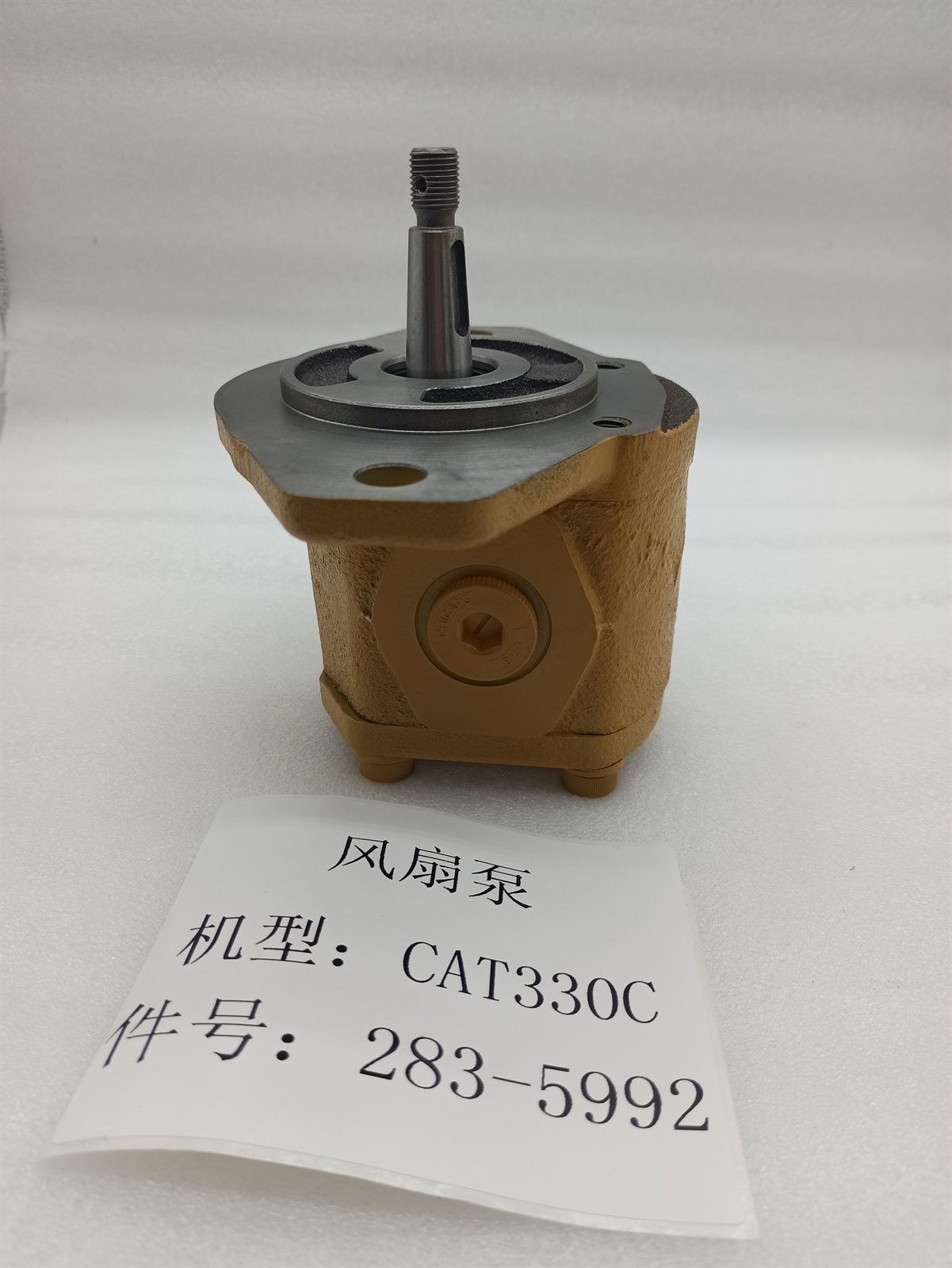
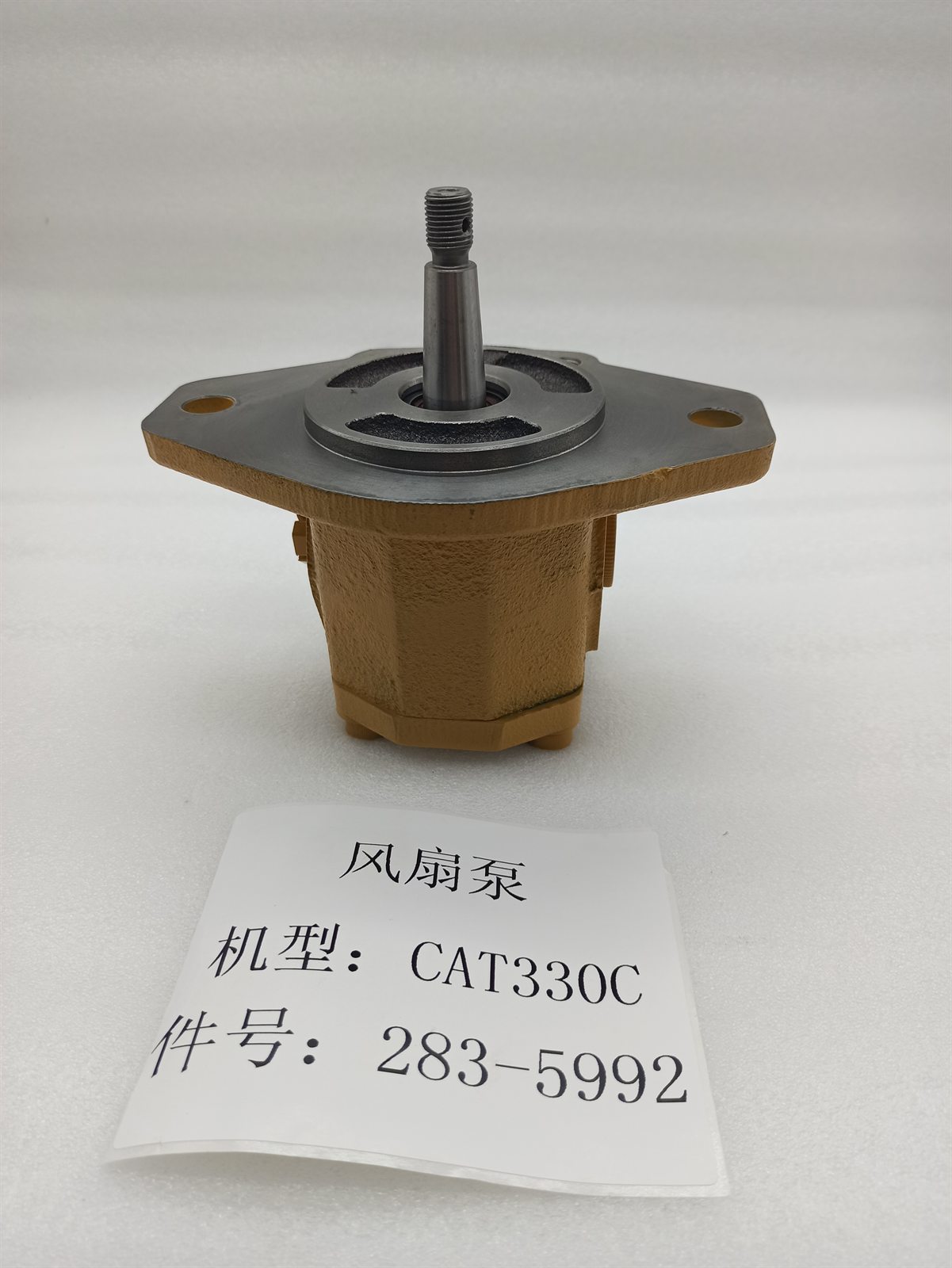
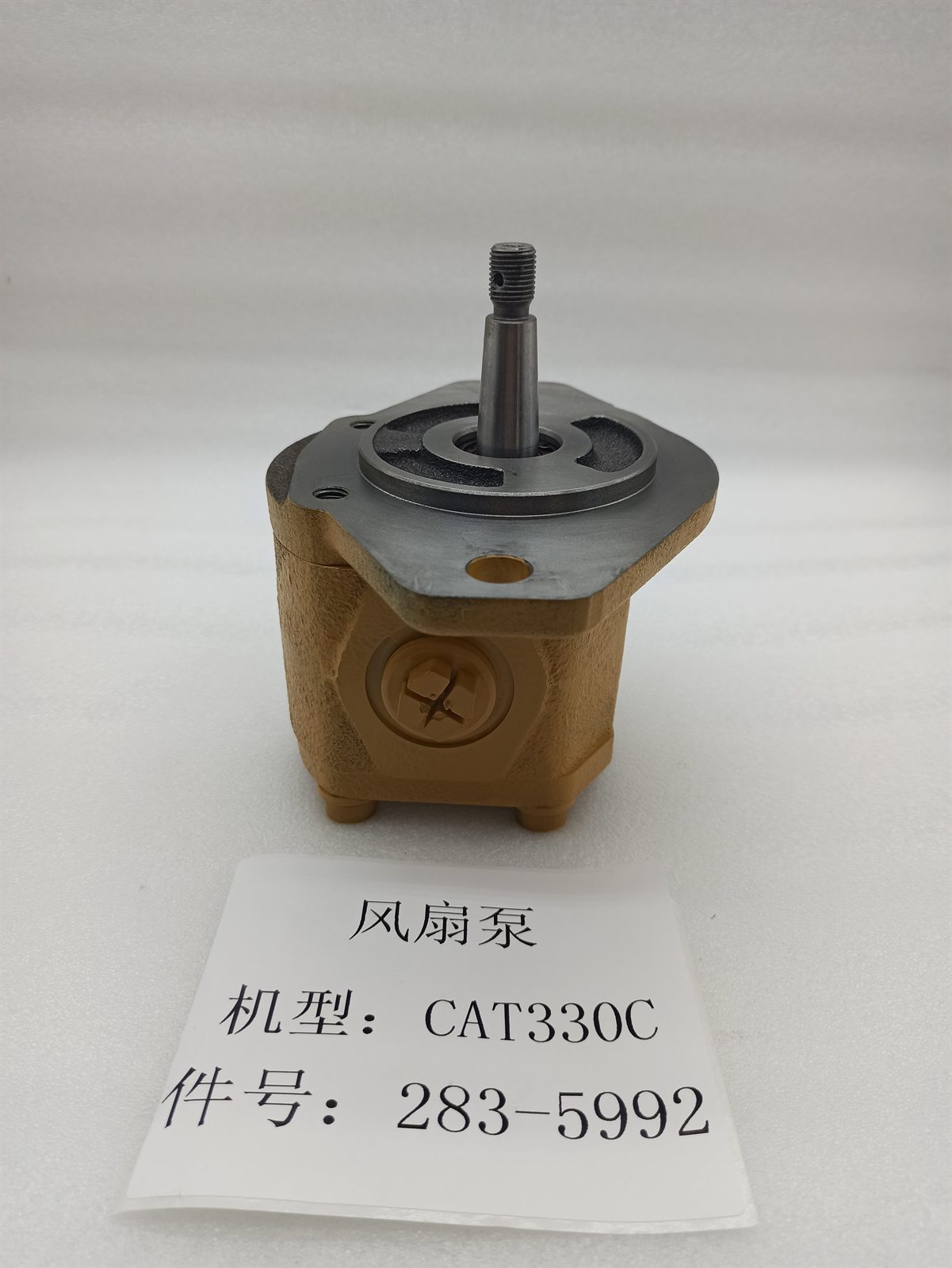
194-8384 appears in Caterpillar’s parts catalogue as a pump group with the item name PUMP GP-GR A, and the companion number 283-5992 is listed as the Hydraulic Fluid Fan Pump. We put the catalogue wording here rather than a tidy one-line description because the aftermarket is full of listings that describe this part as a gear pump, a piston pump, or a fan motor, sometimes in the same title. If you are cross-checking against a parts book, the item name is what you need to see.
One honest note: the units we photograph are the assemblies as supplied, including the control components fitted to them. Where your old part carries a different control arrangement or a different plate, we match to your plate rather than to our photograph, and we confirm with you before the case is closed.
Fitment
CAT 330C, 330C L and 330C LN with the C9 engine. The mating fan motor on these machines is 191-5611, cross-listed as 20R-0118, and the two are a pair: when one fails, the condition of the oil decides whether the other survives. Our 191-5611 fan motor page covers the other half, including the 330C machine data table.
What a failing fan pump does to the machine
The 330C is a 35 tonne machine with 182 kW of net power and main pump flow around 560 L/min at 34.3 MPa relief. Its cooling fan is not sized for a hot day at idle with the boom held; it is sized for continuous duty at working temperature. When the fan pump cannot deliver, the first thing you see is coolant temperature drifting up during long loading cycles and settling back during travel. Then hydraulic oil temperature follows, because the oil cooler is in the same airflow. Then the monitor sets a high hydraulic oil temperature warning, and the machine derates.
At that point the damage is not the lost production hour. It is the oil. Hydraulic fluid held above its design temperature oxidises, thickens into varnish, and attacks seals throughout the machine, including in the main pumps that cost many multiples of a fan pump. A heat problem on a 330C is worth solving properly for that reason alone.
Fitting sequence
- Record the fault first. Note coolant and hydraulic oil temperature at low idle and high idle before you take anything off, so you can prove the repair afterwards.
- Drain the fan circuit into a clean container and look at the oil. Varnish, water or visible metal changes the scope of the job.
- Remove the old pump and photograph the mounting face, the shaft and the port block alongside your notes.
- Compare the replacement against those photographs: shaft length and form, pilot diameter, bolt pattern, port thread size, and the position of every connection.
- Fit a new return filter element and clear or renew the suction strainer while the tank access is open.
- Prime the pump casing and the suction line with clean oil before cranking. Dry starting is the most common cause of an immediate failure on a gear or piston pump of this type.
- Connect the case drain to tank with no restriction and no check valve in the line, and confirm the hose is not kinked behind a bracket.
- Crank with the fan restrained until oil arrives, then start, bleed the circuit, and check every joint under pressure.
- Prove the result: bring the machine to temperature, command full fan, and re-measure both temperatures against the readings from step one.
If the fan is still slow with a new pump fitted, the fault is not the pump. Work through the fan pump diagnosis guide, then the regulator diagnosis and adjustment article, and check the drive train that turns it with the transfer case failure guide.
Terms
Minimum order one piece, around 500 units a month available on this line. New aftermarket units carry a three to six month warranty as stated on your proforma invoice; genuine Cat and used cores are sold without warranty. Wooden case packing as standard or to your specification, delivery 5 to 8 working days from payment subject to stock, and inspection photographs before the case closes. Shipping by sea or air for volume, DHL, FedEx, TNT or EMS for single units. Payment by L/C, T/T, PayPal or Western Union. Other CAT cooling drive parts are listed under Caterpillar hydraulic fan motor.