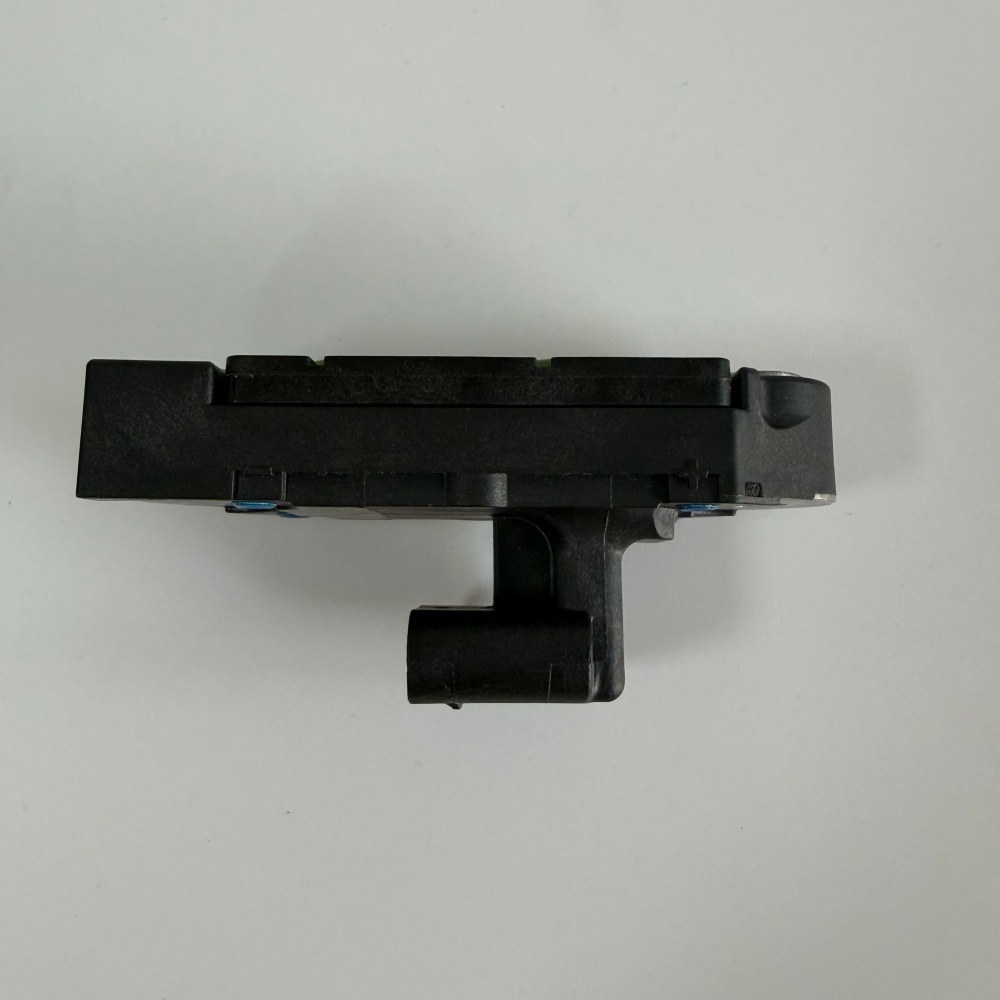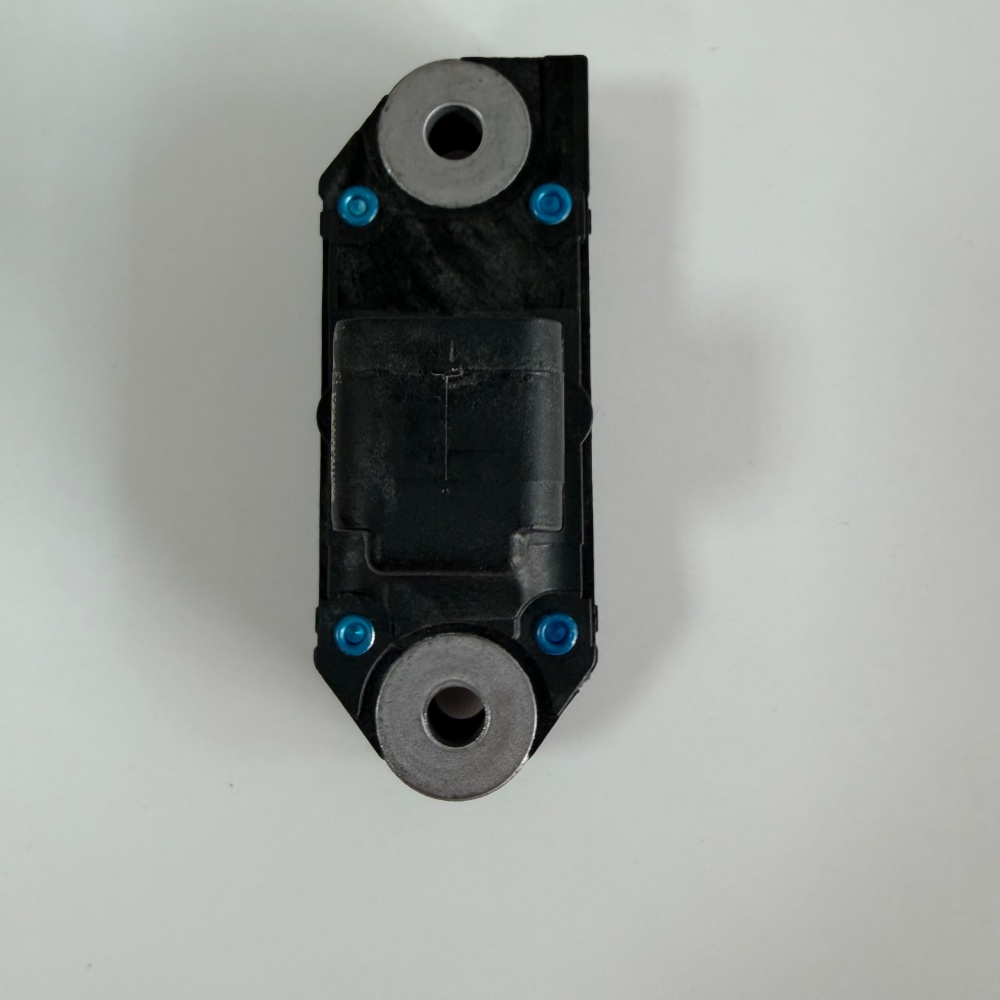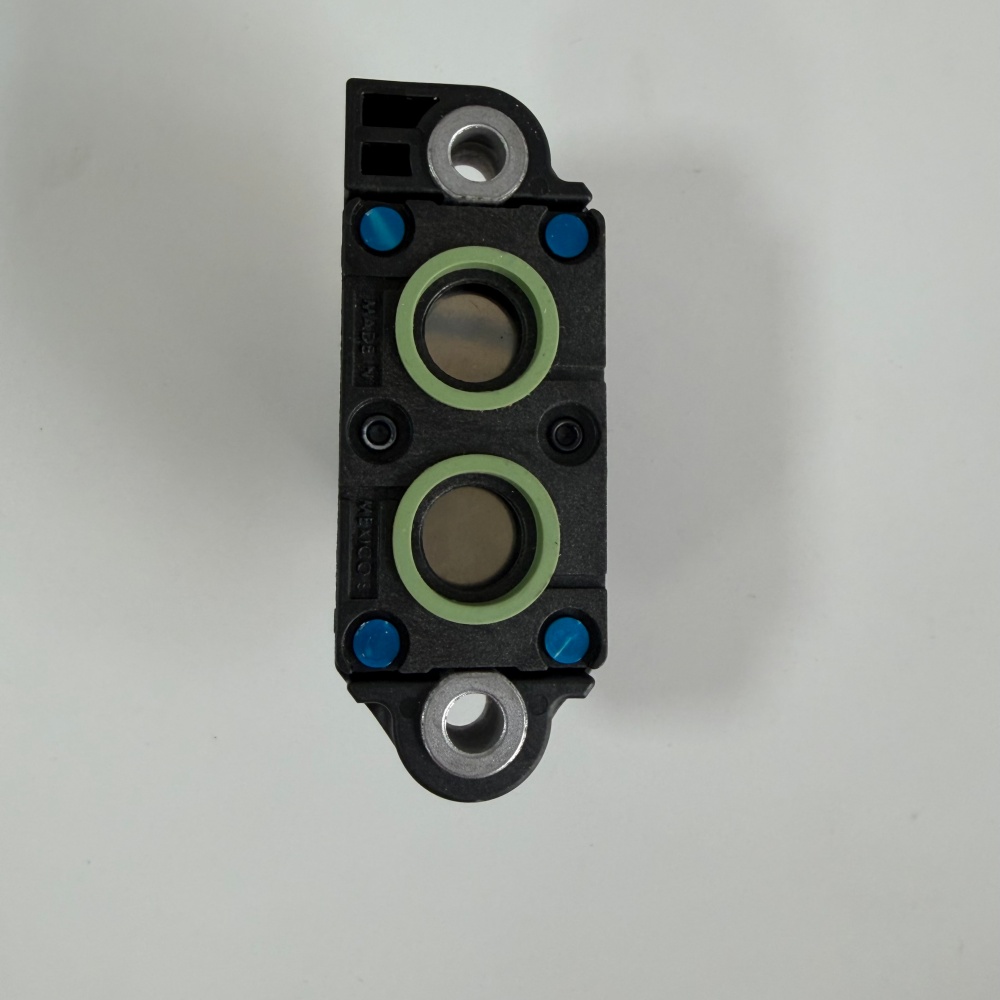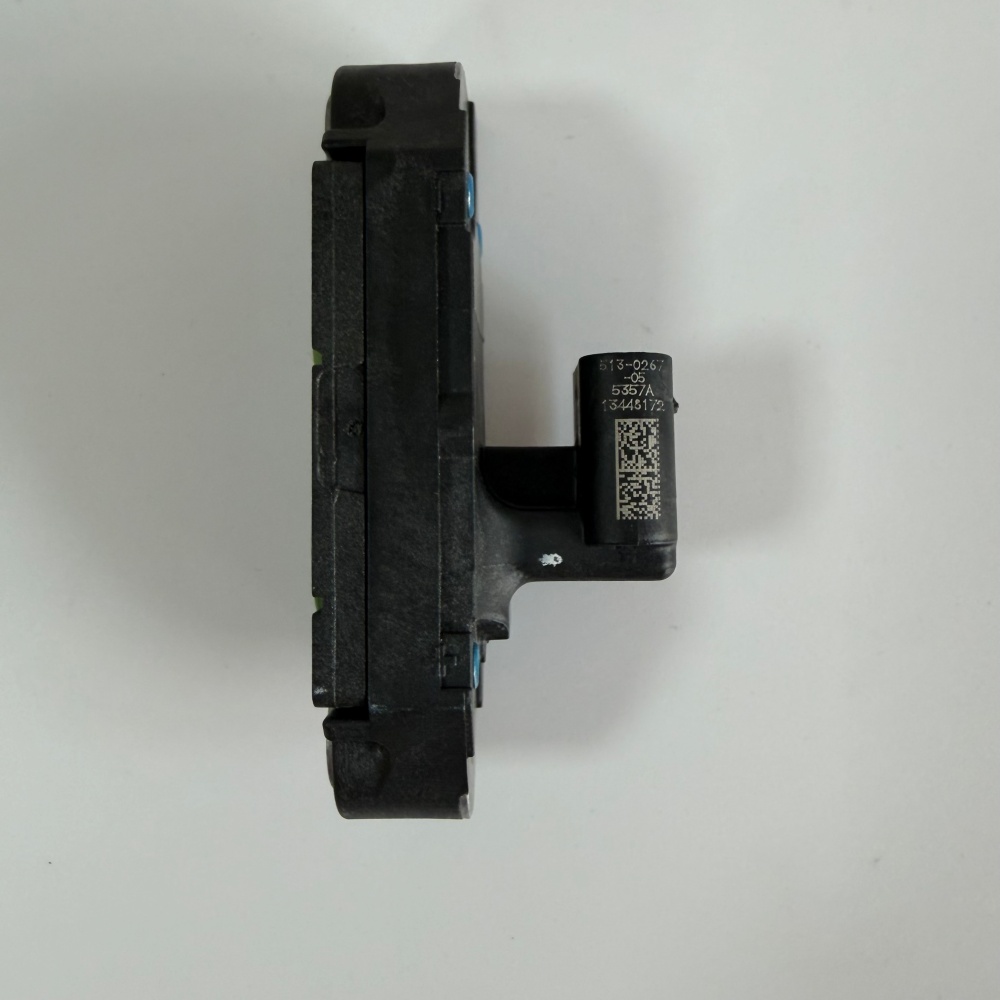
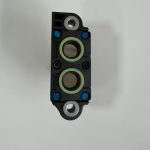
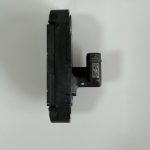
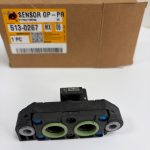
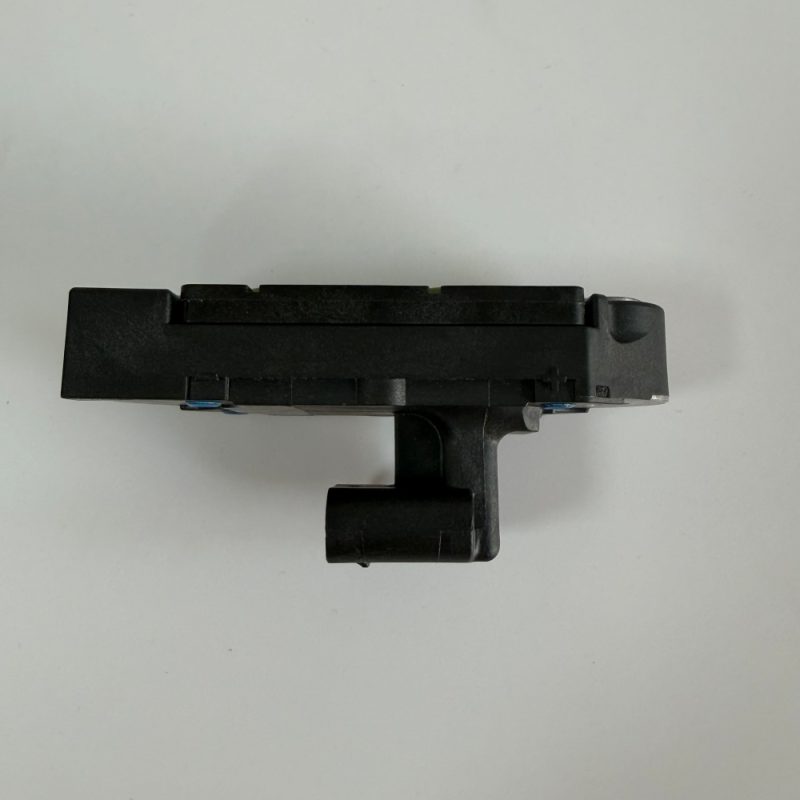
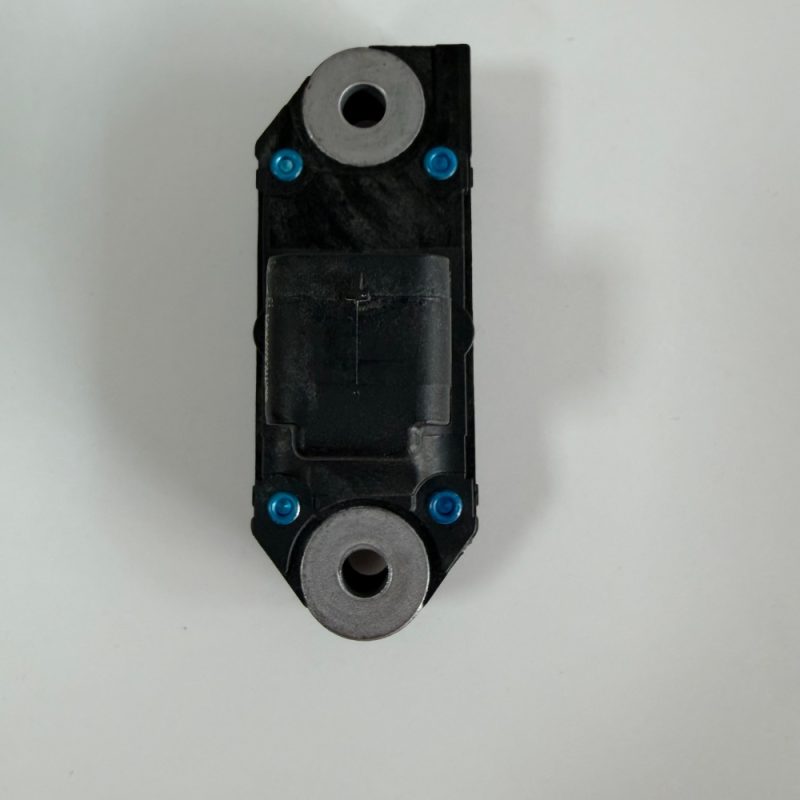
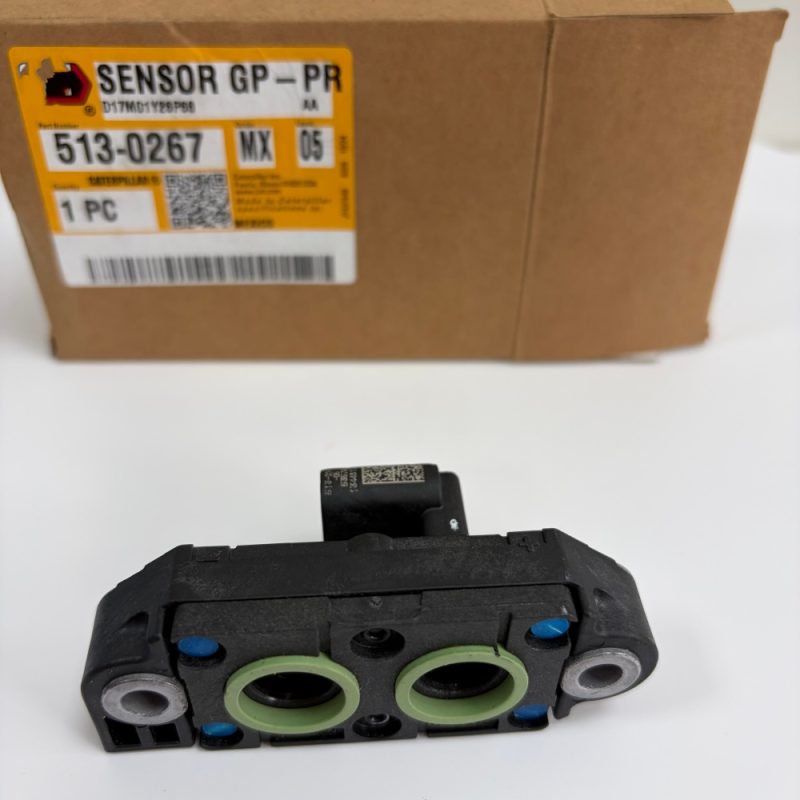
Description
Product Video
1. The Exhaust Gas Cop: How This Small Sensor Polices Your Engine’s “Second Breath”
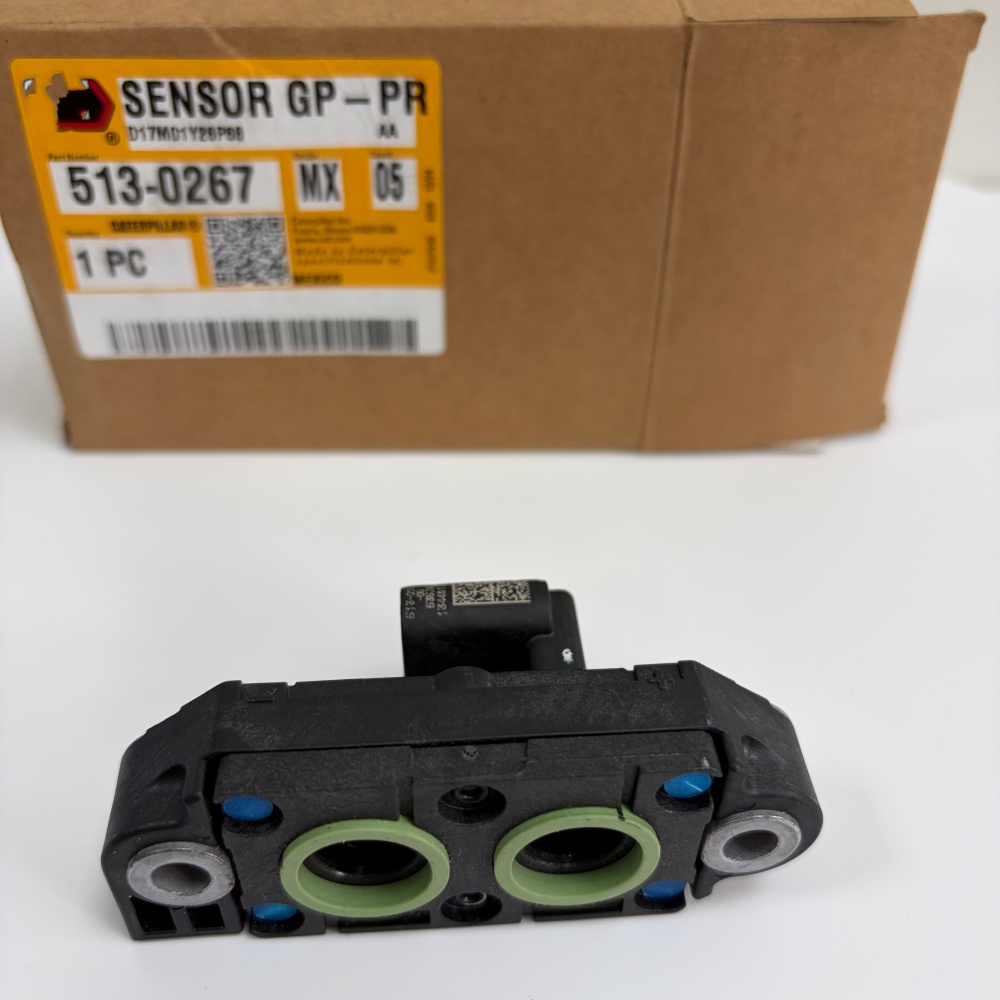
Most 336E operators know that their C7.1 engine recirculates a portion of exhaust gas back into the cylinders—a process called NRS (NOx Reduction System). It reduces emissions but also introduces soot and carbon into the intake system. The engine needs a way to monitor how much exhaust gas is actually moving through the NRS circuit and whether the cooler and passages are becoming clogged. This is where your 513-0267 differential pressure sensor steps in.
Think of this sensor as the exhaust gas cop stationed on the NRS line. It continuously measures the pressure difference between two points across the NRS venturi. When the cooler and passages are clean, the pressure drop is low, signaling a healthy “second breath” for the engine. When soot builds up and restricts the flow, the pressure difference spikes—and the sensor sends a warning to the ECM before your machine pays the price.
Unlike the fuel filter restriction switch you may be familiar with (a simple on/off warning), the 513-0267 is a 5V analog sensor that reports a continuous pressure reading between -5 and +40 kPa differential. This means the ECM knows exactly how restricted your NRS system is at all times, not just when it reaches a danger threshold.
2. The Consequences of Failure: From “Check Engine” to Shop Floor
When the 513-0267 fails or becomes inaccurate, the ECM loses its only direct window into NRS flow. The result is not just a warning light—it’s an engine derate that can cripple your production.
| Failure Mode | What the ECM Detects | What Happens to Your 336E |
|---|---|---|
| Sensor drift (output offset) | NRS differential pressure outside acceptable range during key-on calibration | Warning lamp illuminates, engine enters derate mode—power reduced, cycle times increase |
| Blocked sensor passages | ECM detects no pressure change even when NRS valve operates | Misdiagnosed as a stuck valve, leading to unnecessary parts replacement |
| Soot buildup in the venturi passages | Differential pressure reads too high because exhaust gas can’t flow properly | Engine may smoke, lose power, and trigger repeated regen events |
| Sensor short circuit (internal) | ECM receives out-of-range voltage signal | Immediate derate. Cat has released a sensor kit specifically to address potential short circuits in earlier designs |
The key point to understand is that a derate caused by this sensor failure does not feel like a traditional engine problem. Your 336E may idle smoothly, rev cleanly, and dig with full power for thirty minutes—then suddenly, without warning, lose half its strength. The machine isn’t “broken.” It’s protecting itself from an NRS system it can no longer trust. And the only way to restore full power is a new sensor.
3. A Contractor’s Story: The Elusive Derate That Chased Ghosts for Six Weeks
A 336E owner in Texas called us after six weeks of chasing a mystery derate. His machine would work fine for an hour, then suddenly lose power. The ECM showed a 411-15 code (High EGR Differential Pressure). His mechanic replaced the NRS valve ($1,200), cleaned the EGR cooler ($800 labor), and even replaced the ECM ($2,500)—nothing fixed it.
The problem was the 513-0267 itself. The sensor had drifted far enough out of calibration that it was reporting a plugged NRS cooler even when the passages were perfectly clean. The ECM dutifully believed the sensor and derated the engine. The mechanic never tested the sensor because he assumed “pressure sensor” meant it either worked or didn’t.
We shipped him a new 513-0267. He installed it in fifteen minutes. The derate disappeared. His comment: “Six weeks. Fifteen minutes. Never again.”
The lesson: the 513-0267 is a precision analog instrument with a published shelf life and duty cycle. It does not fail catastrophically. It drifts gradually until the ECM can no longer compensate—and then it costs you production time.
4. Key Features & Benefits
OEM cross reference 513-0267 – Direct replacement NRS differential pressure sensor for Caterpillar C7.1 and C4.4 engines equipped with NOx Reduction System (NRS) / EGR.
Critical emissions component – Monitors pressure drop across the NRS venturi and cooler. Provides the ECM with continuous analog feedback on exhaust gas recirculation flow health.
Prevents engine derate – When the NRS system becomes clogged with soot, the differential pressure rises. This sensor alerts the ECM, which can then adjust fuel and air delivery to compensate rather than derating the engine abruptly.
5V analog output – Unlike simple on/off switches, this sensor provides a linear voltage signal proportional to differential pressure. The ECM uses this data to precisely control the NRS valve position and diagnose system health without guesswork.
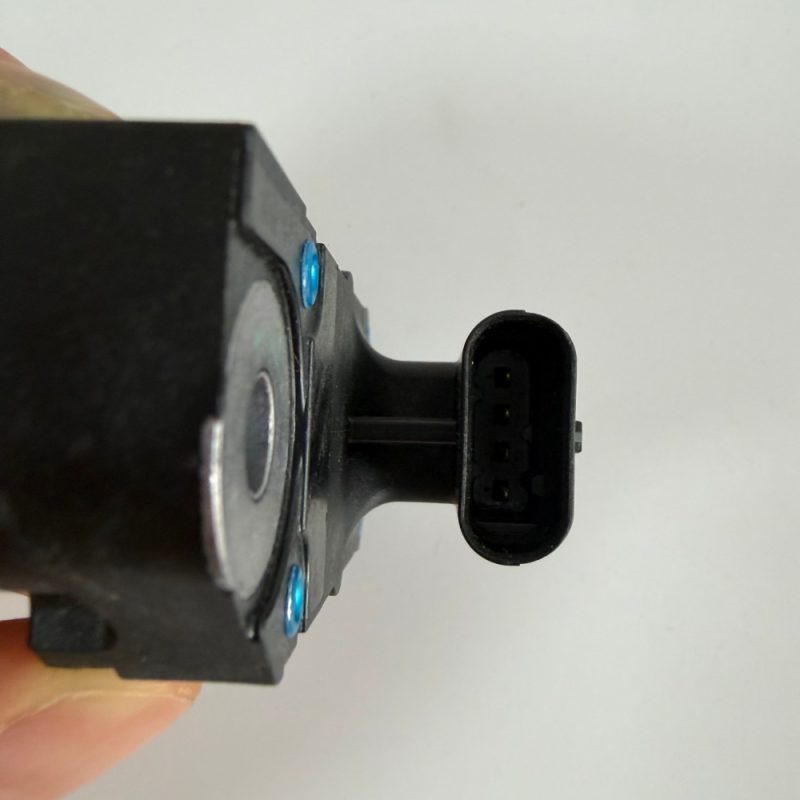
Precision-engineered – Cat® spec 5V analog differential pressure sensor with pressure range: 33 to 600 kPa (absolute) and -5 to +40 kPa (differential). 4‑pin MCON 1.2 connector, designed for harsh engine compartment environments.
Direct fitment – MCON 1.2 connector plugs directly into the C7.1 engine harness. No special programming or calibration required, though a 2‑key‑cycle ECM reset is recommended after installation.
Comprehensive compatibility – Fits CAT 336E, 336E H, 336E L, 336E LH excavators, plus many other C7.1/C4.4-powered machines: Next Gen 320, 323, 330, 336, as well as some D-series dozers and backhoe loaders equipped with NRS systems.
Fast delivery – 6–8 working days lead time from our Guangzhou warehouse, shipped in protective Cat‑style paper box packaging.
5. Technical Specifications
| Specification | Details |
|---|---|
| Product Name | NRS Differential Pressure Sensor (NOx Reduction System / EGR Differential Pressure Sensor) |
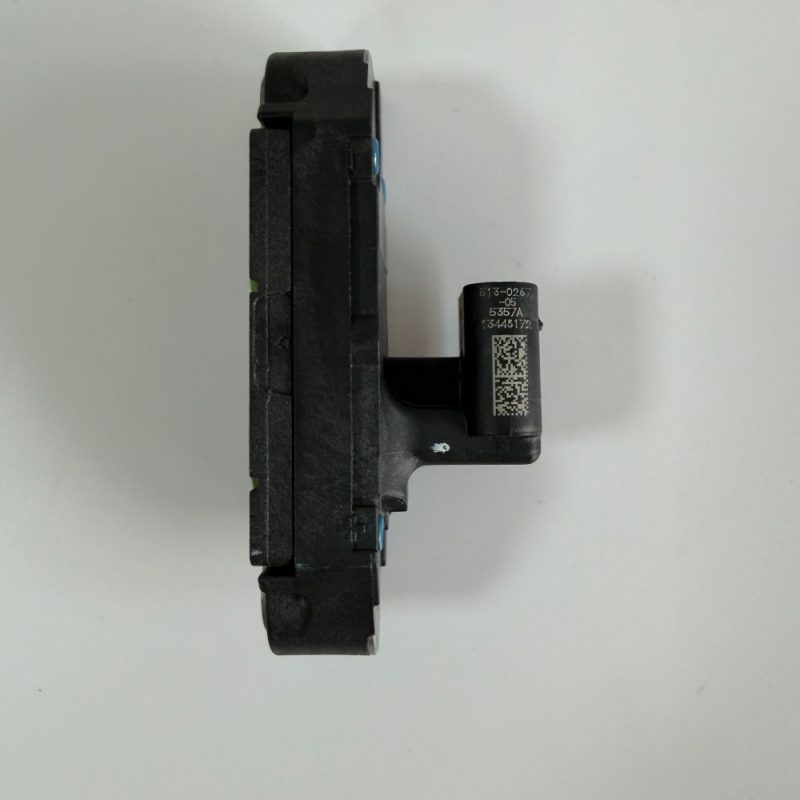
| Part Number | 513-0267 (CAT) |
| Engine Application | Caterpillar C7.1 (Perkins 1204J), C4.4 with NRS/EGR |
| Compatible Models | CAT 336E, 336E H, 336E L, 336E LH, Next Gen 320/323/330/336, D6K2, D6N, 938K, IT38K, and other C7.1/C4.4 machines with exhaust gas recirculation |
| Sensor Type | 5V analog differential pressure sensor |
| Pressure Range (Absolute) | 33 to 600 kPa |
| Pressure Range (Differential) | -5 to +40 kPa |
| Supply Voltage | 5V DC (regulated by ECM) |
| Output Type | Analog voltage proportional to differential pressure |
| Connector Type | 4‑position MCON 1.2 (standard AMP/TE connectivity) |
| Housing Material | High-temperature engineered polymer with corrosion-resistant internal components |
| Mounting Location | NRS venturi/manifold assembly (right side/top of C7.1 engine) |
| Related Diagnostic Codes | 411-15 (High EGR Differential Pressure), 411-13 / 3387-13 (Out of Calibration) |
| Origin | China (manufactured to OEM specifications) |
| MOQ | 1 piece |
| Price | Negotiable |
| Packaging | Cat‑style paper box with protective internal packaging |
| Delivery Time | 6–8 working days |
| Payment Terms | T/T, XTransfer, PayPal, Western Union |
| Supply Capacity | 500 pieces/month |
| Shipping | Sea freight / Air freight / Express (DHL, FedEx, UPS) |
6. Applications
Mining & quarrying – Fine silica dust accelerates NRS cooler and passage clogging. The 513-0267 is the first line of defense against derates that shut down production in remote sites with limited service support.
Heavy construction – 336E machines working on highway and infrastructure projects cycle through variable loads that repeatedly stress the NRS system. A healthy differential pressure sensor ensures the ECM can manage soot accumulation proactively rather than reactively.
Equipment rental fleets – Renters rarely understand warning lights and often ignore them. When the 513-0267 fails, the derate that follows will be blamed on the machine—and on you. Proactive replacement based on hours is cheap insurance.
Demolition & scrap handling – Extreme vibration and shock loads are hard on sensitive analog sensors. The 513-0267’s internal components can degrade over time in these environments, leading to intermittent derates that are difficult to diagnose.
Municipal & waste management – Stop-and-go operation at landfills and transfer stations creates high soot loading in the NRS system. The differential pressure sensor reading is critical for determining when the NRS venturi needs cleaning versus when a sensor replacement is the actual solution.
7. Installation & Maintenance Tips – Get It Right the First Time
Proper installation of the 513-0267 involves more than just bolting it on. Follow these guidelines to avoid repeat failures and unnecessary diagnostic codes.
| Step | Action | Why It Matters |
|---|---|---|
| 1 | Disconnect battery negative terminal before removing the old sensor | Prevents the ECM from logging false codes when the sensor is disconnected |
| 2 | Clean the NRS venturi passages with hot soapy water and a bore brush if soot buildup is visible | A clogged venturi will cause high differential pressure readings even with a new sensor—leading you to misdiagnose the sensor again |
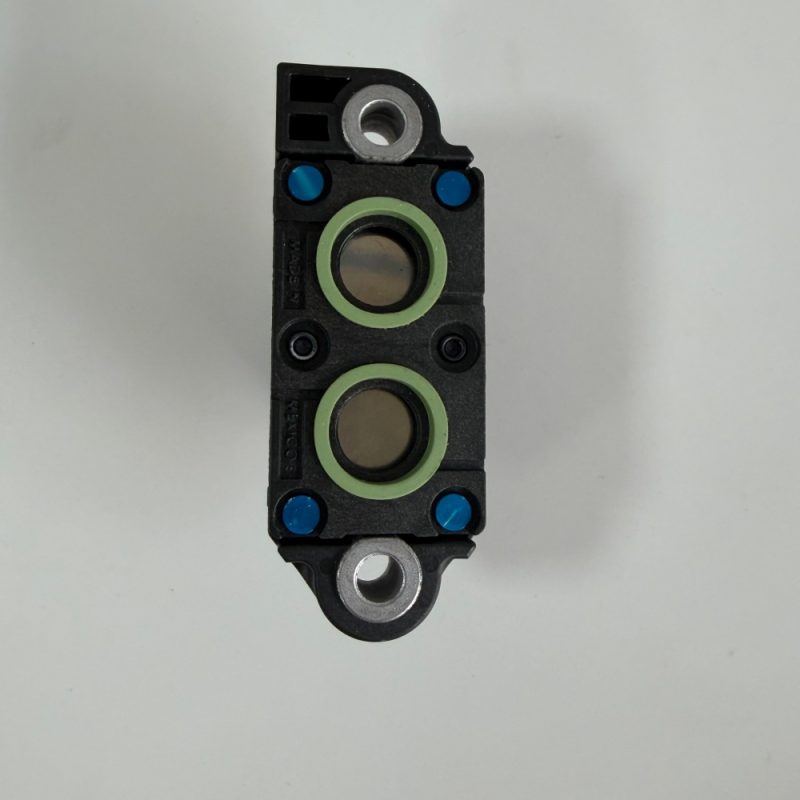
| 3 | Replace both O‑ring seals (inlet and outlet sides) | Old O‑rings harden and leak, creating false pressure readings that mimic sensor failure |
| 4 | Apply a thin film of clean engine oil to new O‑rings before installation | Prevents tearing during assembly and ensures proper seating |
| 5 | Install sensor, torque mounting bolts to 9 N·m (80 lb in) for the NRS manifold connections | Over‑tightening cracks the plastic sensor housing; under‑tightening allows exhaust gas leakage |
| 6 | Reconnect the 4‑pin MCON connector until it clicks; ensure locking tab is fully engaged | Loose connections cause intermittent sensor dropout—the hardest type of failure to diagnose |
| 7 | Perform a 2‑key‑cycle ECM reset: key on 30 seconds, key off 30 seconds, repeat | Allows the ECM to recalibrate the new sensor’s zero offset |
| 8 | Clear all stored diagnostic codes with a compatible diagnostic tool (Cat ET or equivalent) | Prevents old codes from confusing future diagnostics |
Critical note: The 513-0267 is not a serviceable component. If you see soot buildup inside the sensor itself (not just in the venturi passages), the sensor has been compromised and must be replaced. No amount of cleaning will restore its accuracy.
8. Storage & Quality Assurance – Hongtengda Parts
At Hongtengda Parts, we know that sensors like the 513-0267 are precision instruments. Improper storage can degrade the sensing element before it ever reaches your machine.
Climate‑controlled warehouse – Our Guangzhou facility maintains stable temperature and humidity levels. Sensors are stored away from direct sunlight, ozone sources, and chemical vapors that can degrade internal seals.
Strict quality control – Each sensor undergoes visual inspection for connector pin damage, O‑ring integrity, and housing cracks before being released for shipment.
OEM‑spec manufacturing – Our sensors meet or exceed the original Caterpillar specifications for voltage output linearity, thermal stability, and vibration resistance.
Tested for calibration drift – Random samples from each production batch are tested for zero offset and span accuracy to ensure the sensor reads correctly across its entire operating range.
Clean, static‑safe packaging – Each sensor is individually packed in a Cat‑style paper box with protective foam or bubble wrap to prevent damage during transit.
Traceable batch records – We maintain production batch records for all sensors, allowing us to trace any quality issues back to their source.
Why this matters: A sensor that has been stored in extreme heat, exposed to ozone, or dropped before installation can fail within weeks. Our controlled storage and handling protocols ensure that the sensor you receive is in the same condition as when it left the factory.
9. Stock Availability – Hongtengda Parts
Your 336E can’t wait two weeks for a sensor. Neither should you.
500 pieces monthly supply capacity – Stable production and stocking for CAT C7.1 NRS differential pressure sensor 513-0267
90% of products in stock – Ready for immediate dispatch from our Guangzhou warehouse
6–8 working days delivery – Most orders are shipped within 24 hours after payment confirmation
Professional export packaging – Fumigation‑free wooden cases or reinforced cartons for sea or air freight
No MOQ pressure – One piece is enough to place an order
Real‑time stock check – Email or message us anytime to confirm availability before payment
Why wait weeks for parts? Hongtengda Parts – where inventory meets urgency.
10. Ordering & Delivery
| Item | Detail |
|---|---|
| MOQ | 1 piece |
| Lead time | 6–8 working days |
| Packaging | Cat‑style paper box + bubble wrap in reinforced carton |
| Payment | T/T, XTransfer, PayPal, Western Union |
| Supply capacity | 500 pieces/month |
| Warranty | 6 months (manufacturing defects – electrical calibration, material integrity, housing leakage) |
Warranty does not cover damage from improper installation, contamination from soot or debris, physical impact, or secondary ECM damage. For warranty‑covered alternatives, ask our sales team.
11. Before You Order – Quick Verification
Because NRS sensor applications vary by emission tier (Tier 4 Interim vs Tier 4 Final vs Stage V), we need:
Machine serial number (CAT336E-xxxxx)
Engine serial number prefix (C7.1)
One clear photo of your old sensor, especially showing the connector type (4‑pin MCON) and any visible part number
We will confirm compatibility within 24 hours.
The NRS differential pressure sensor is the exhaust gas cop that never takes a break. When it drifts, your engine derates. When it fails, your production stops. Keep a spare on the shelf – and turn a three‑day downtime into a fifteen‑minute pit stop.