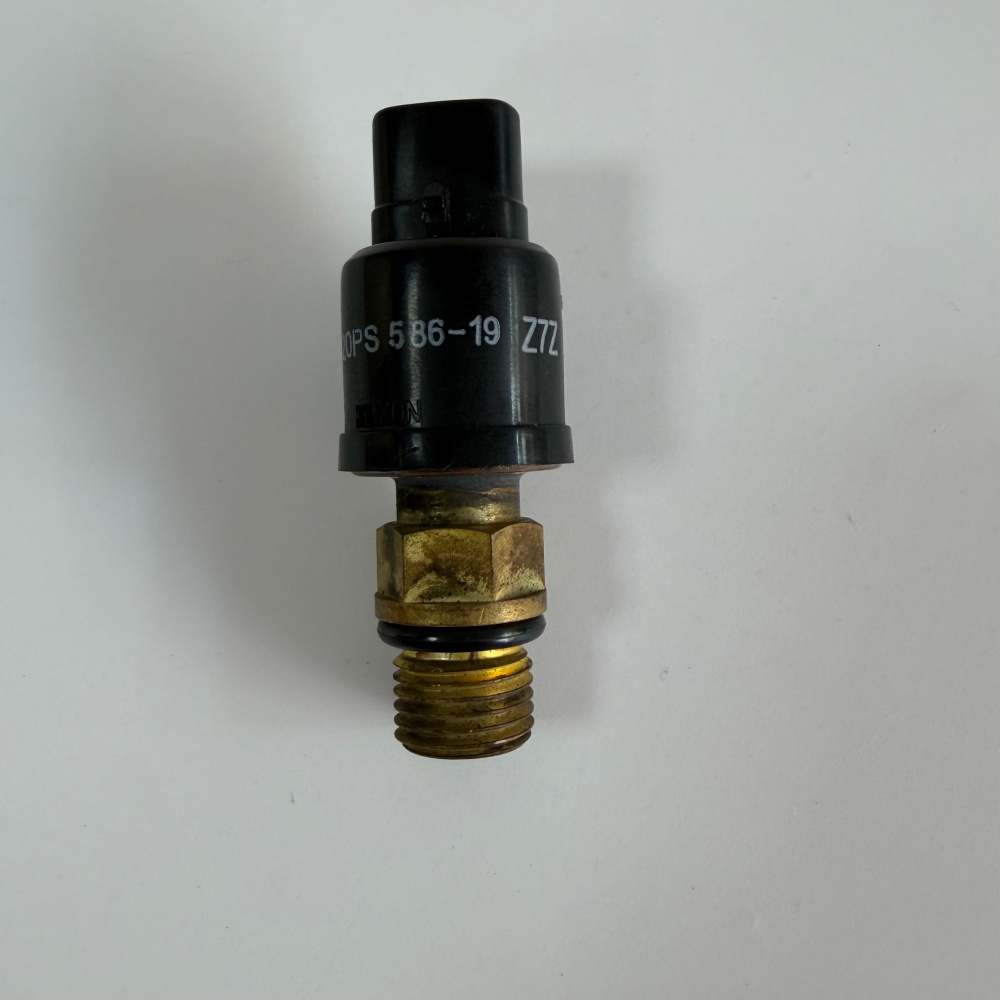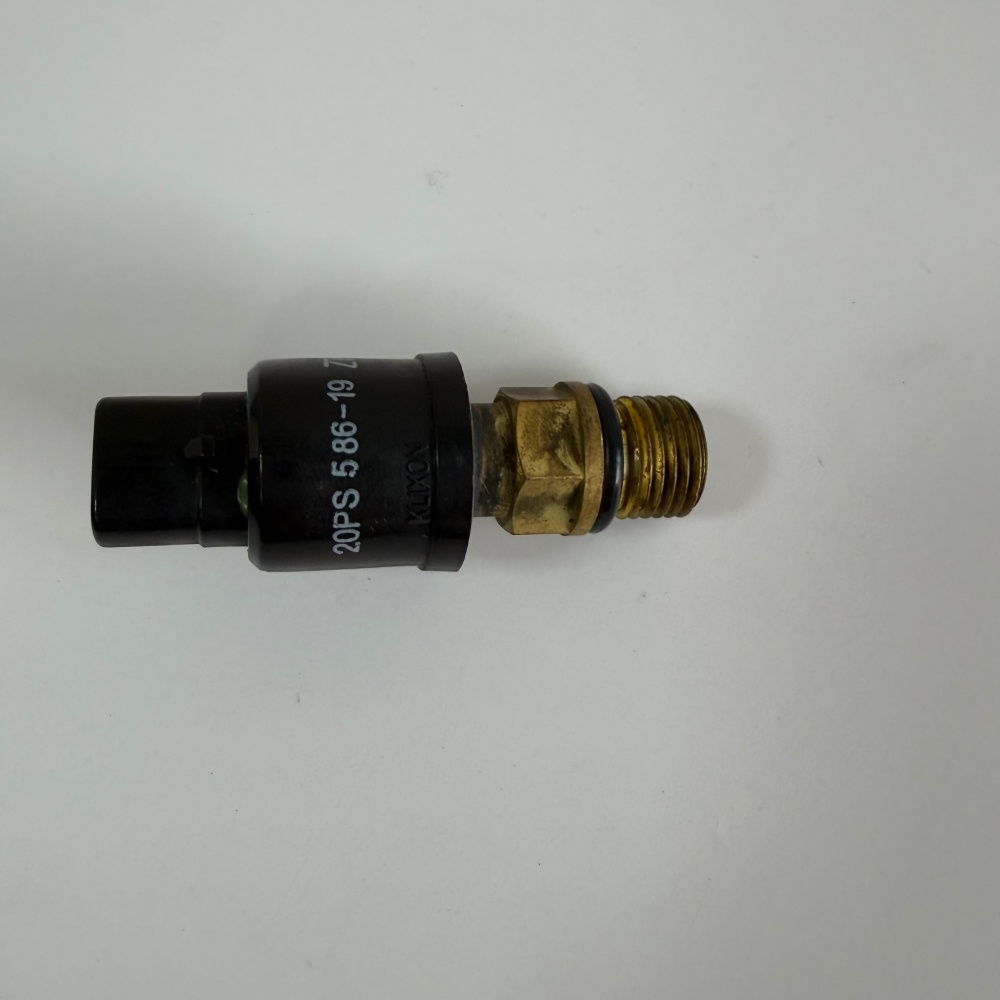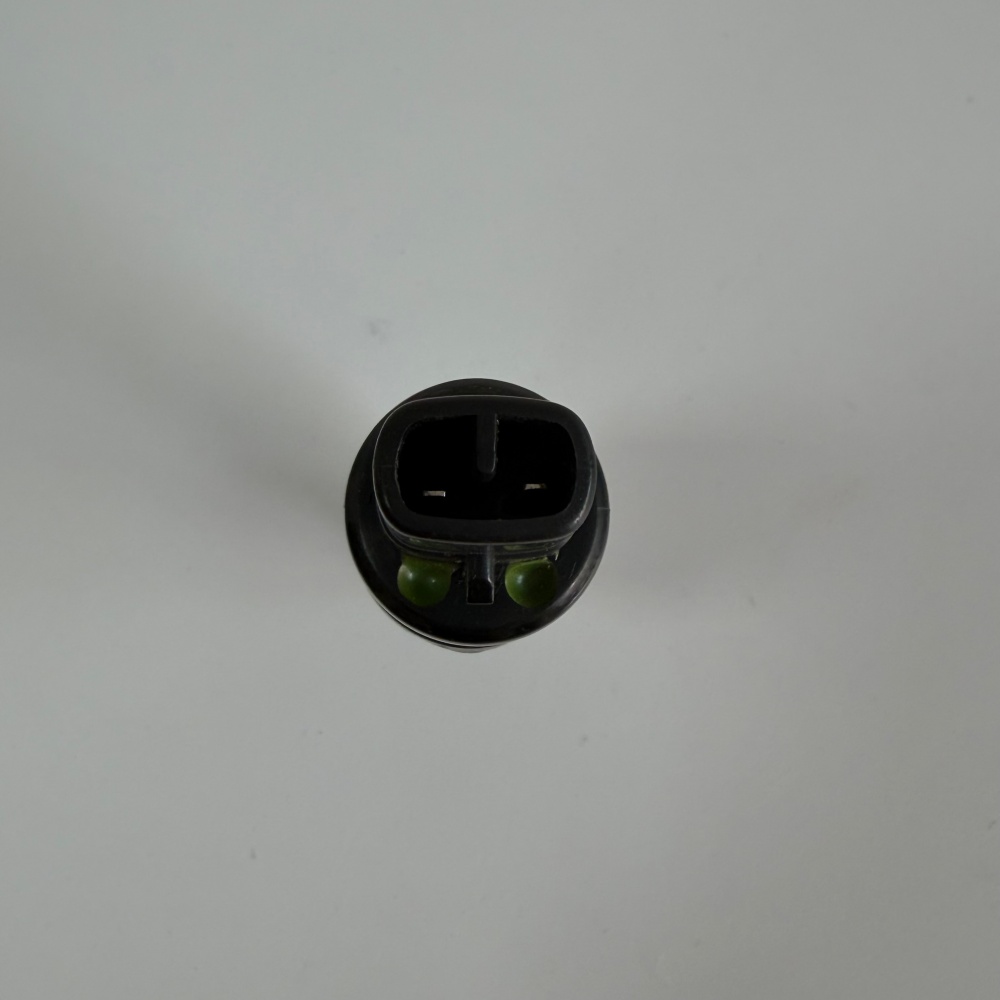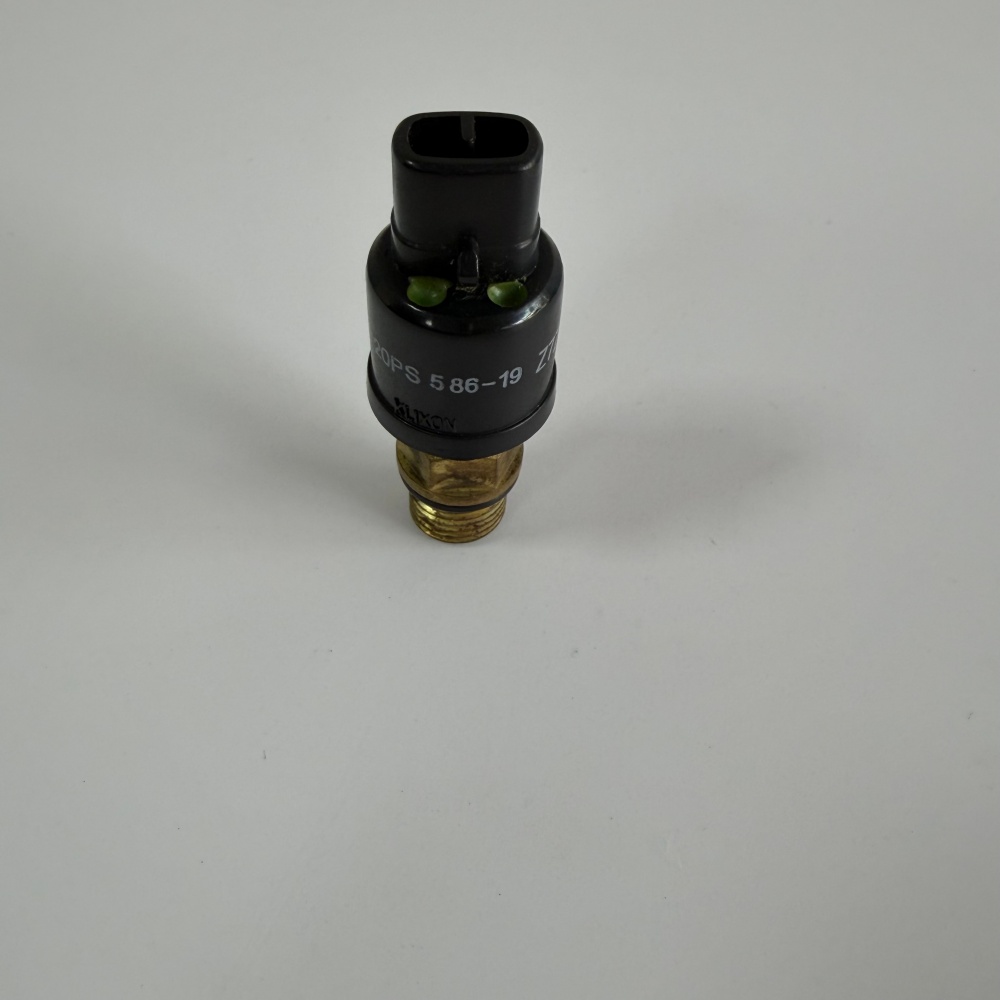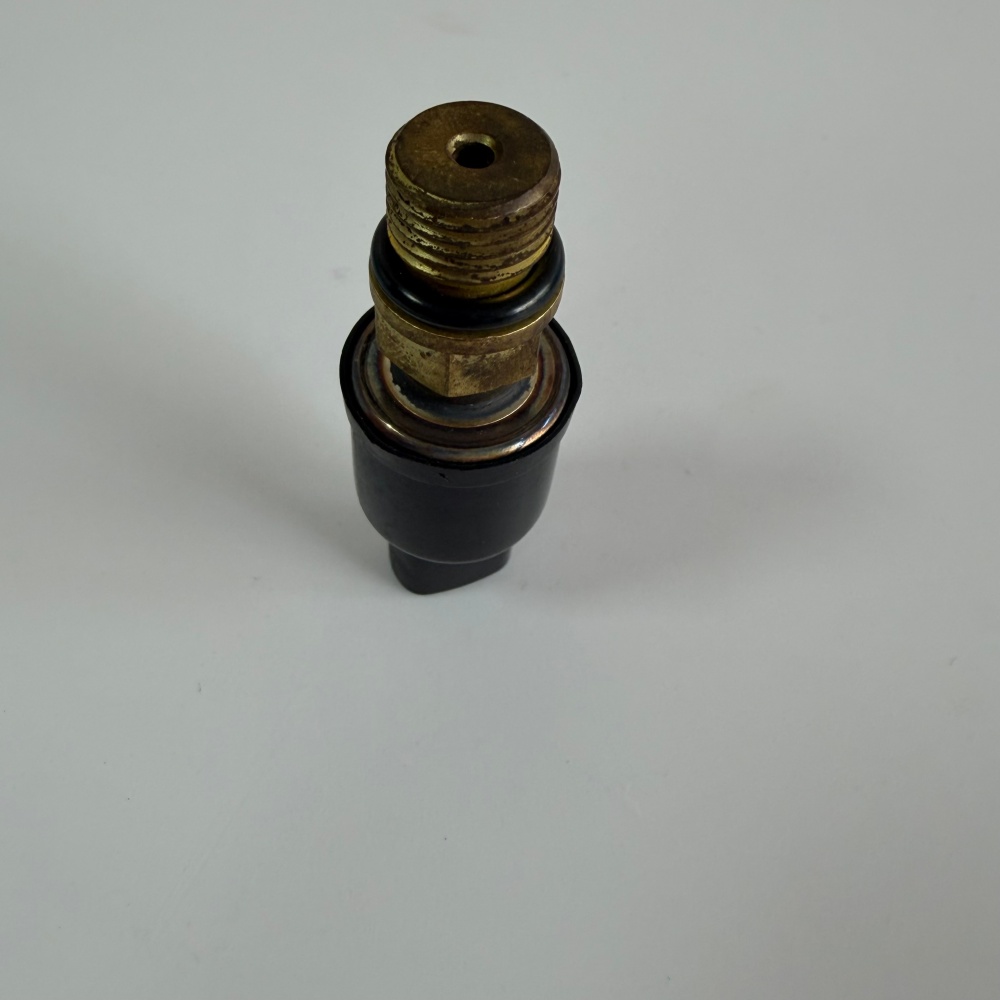
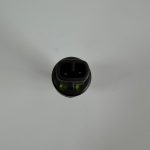
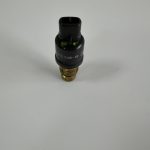
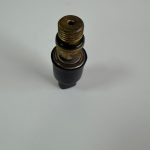
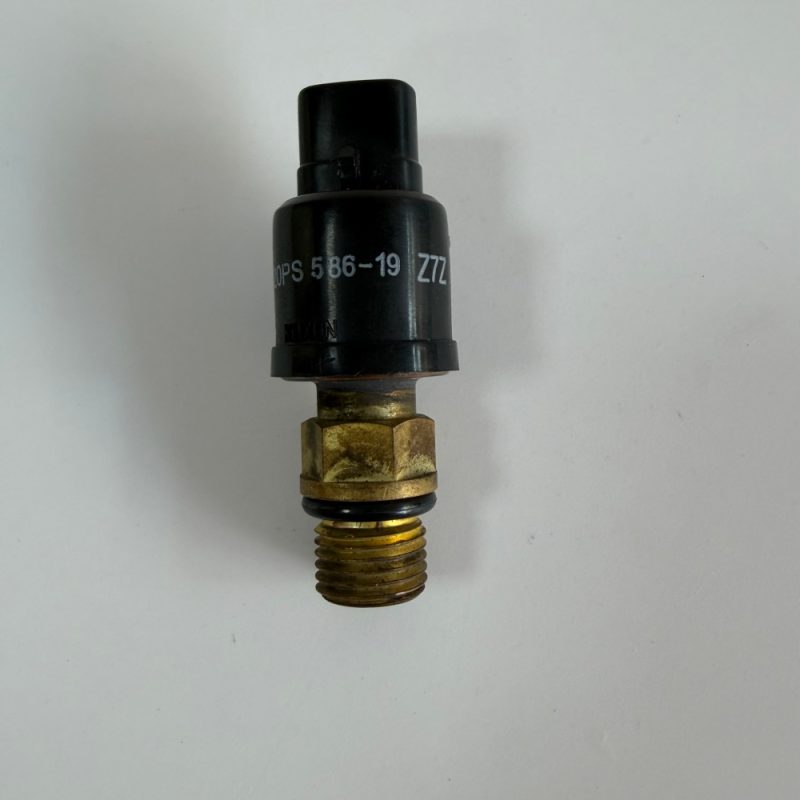
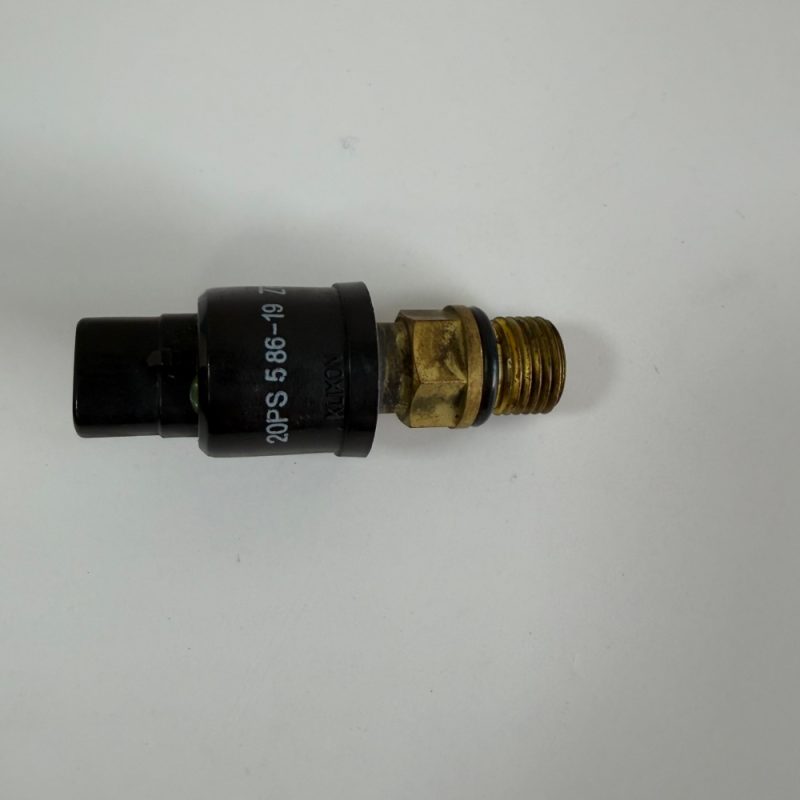
Description
Product Video
1. Why 2 Pins? – Understanding the Simplicity (and Limitation)
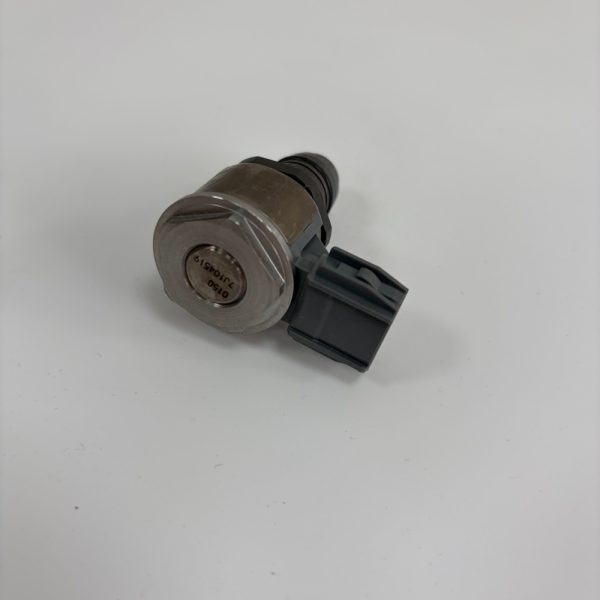
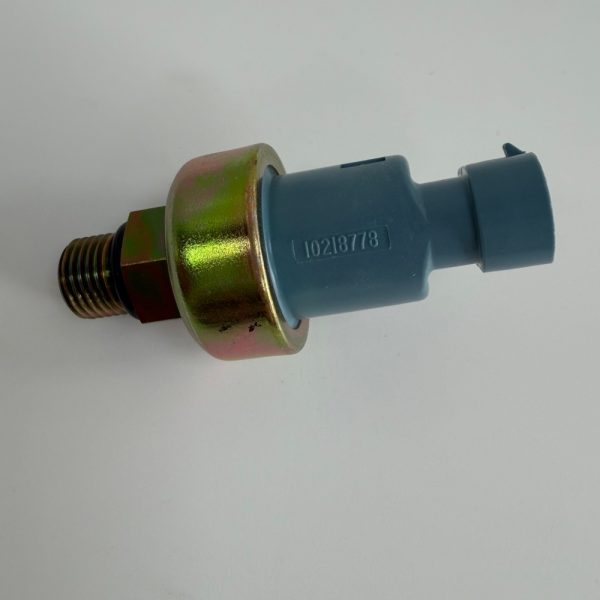
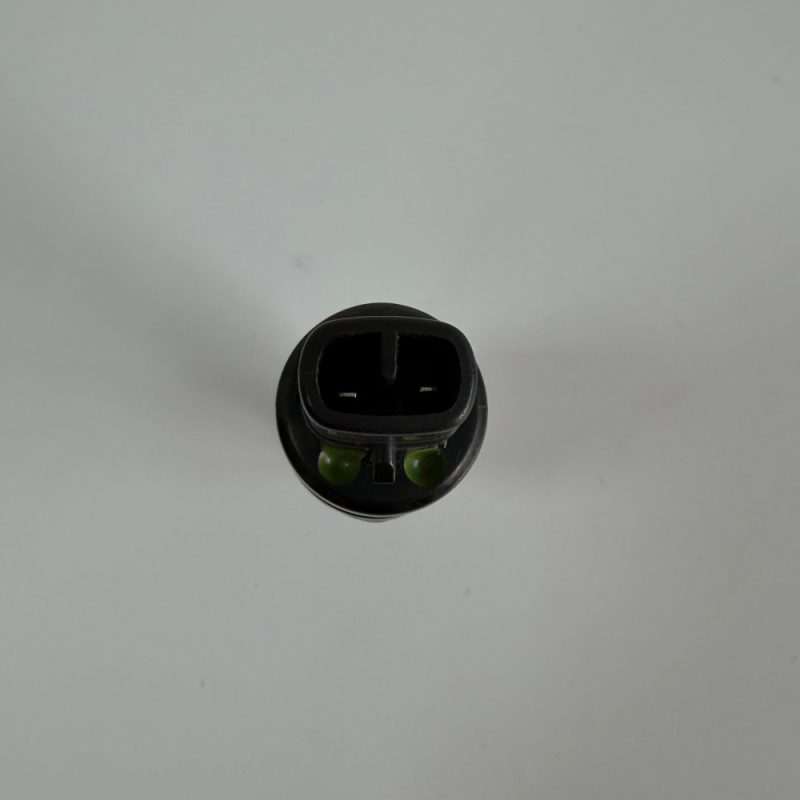
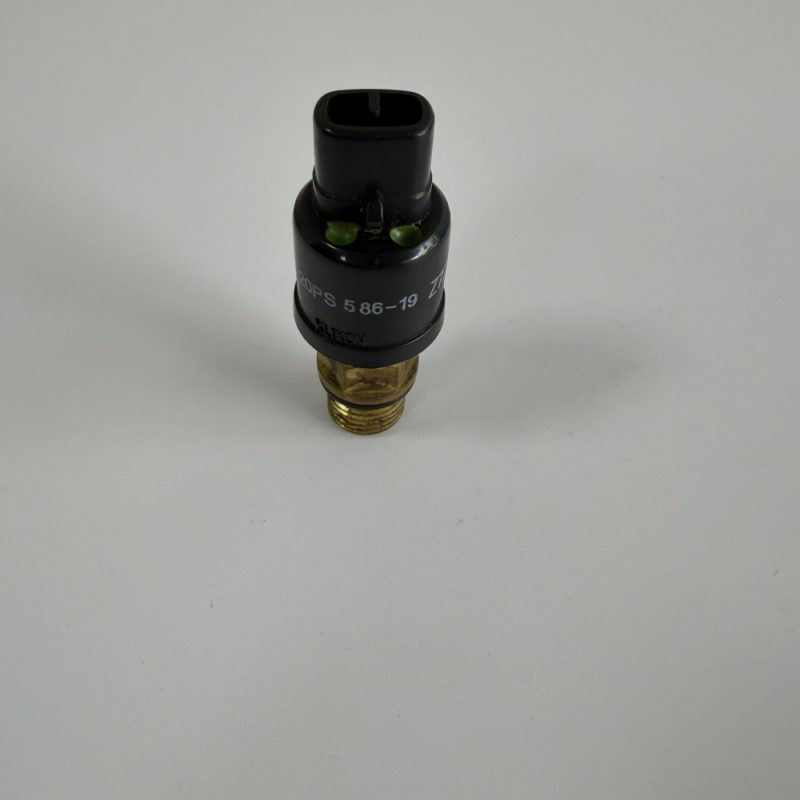
Unlike the 3‑pin 4332040 (power + ground + signal), the 4333040 has only 2 pins. That means it is a passive sensor – typically a piezoresistive bridge that changes resistance with pressure, without requiring an external power supply. The ECU sends a small reference voltage through one pin and reads the return voltage on the same pair.
| Feature | 2‑Pin Sensor (4333040) | 3‑Pin Sensor (4332040) |
|---|---|---|
| Wiring | Two wires: signal + ground | Three wires: power, ground, signal |
| Power source | ECU supplies via signal wire | Separate regulated 5V/12V |
| Signal type | Voltage divider (0.5–4.5V, but load‑sensitive) | Buffered, low‑impedance output |
| Accuracy | Good (but affected by wire length/resistance) | Excellent (not affected) |
| Failure mode | Short to ground = 0V; open = max voltage | More robust against wiring issues |
When to use 2‑pin: Simpler systems, shorter harness runs, older ECU designs (EX200-5, EX300-5 era). The 4333040 is typically found measuring main pump discharge pressure or tank back pressure – not pilot pressure.
2. Where This Sensor Lives – And What It Measures
On EX200-5 and EX300-5, the 4333040 is commonly installed at:
| Location | Pressure Type | Typical Reading (at idle) | Typical Reading (under load) |
|---|---|---|---|
| Main pump discharge port | Pump outlet pressure | 2–5 bar (standby) | 280–350 bar (digging) |
| Return line filter head | Back pressure | 0.5–1.5 bar | 3–8 bar (clogging warning) |
| Swing brake circuit | Pilot pressure (indirect) | 10–20 bar | 30–40 bar |
Because it is a 2‑pin sensor, the ECU does not supply regulated power. Instead, it measures the voltage drop across the sensor. This makes the sensor very sensitive to connector corrosion – even a small amount of oxidation changes the reading.
3. The “Corrosion Sensitivity” Problem – Why EX200-5/300-5 Sensors Fail Early
The 2‑pin design is inherently less robust in wet, salty, or acidic environments (mines, coastal sites, fertilizer handling). Here’s why:
| Corrosion Location | Effect on Signal | Symptom |
|---|---|---|
| Inside the sensor connector | Increased contact resistance → lower voltage reading | ECU thinks pressure is lower than actual → pump under‑strokes → slow machine |
| Along the wire harness (chafed insulation) | Voltage leakage to ground | Erratic pressure readings → sudden pump surges |
| At the ECU connector pin | Same as above | Intermittent pressure codes |
The 4333040 rarely fails internally (strain gauge itself is durable). It fails because the connector and wiring degrade. That’s why simply replacing the sensor may not fix the problem – you may also need to repair the harness side.
4. The “Sensor + Harness Repair Kit” – Practical Solution
We offer the 4333040 sensor with a pre‑crimped 2‑pin pigtail (30cm, waterproof). This allows you to cut back the original harness to clean copper and install a fresh connector.
| Scenario | Recommended Action |
|---|---|
| Original connector pins are green/black | Replace sensor + pigtail together |
| Harness insulation is cracked but wires intact | Pigtail only (keep old sensor if it tests good) |
| Machine works in high‑humidity (rainforest, coastal) | Bundle: sensor + pigtail + dielectric grease + heat shrink |
Cost of the pigtail is under $15. It saves hours of chasing intermittent electrical faults.
5. Quick Field Test – Without Removing the Sensor
You can diagnose a suspect 4333040 using only a multimeter and a T‑pin (to back‑probe the connector).
| Step | Action | Good Result | Bad Result (replace sensor) |
|---|---|---|---|
| 1 | Engine off, key on. Disconnect sensor. Measure resistance across the two sensor pins. | 250–500 Ω | Infinite (open) or <10 Ω (short) |
| 2 | Reconnect sensor. Back‑probe the connector (pierce insulation with T‑pin). Measure DC voltage between two pins. | 0.5–0.7V (atmospheric) | 0V or >1.5V |
| 3 | Start engine, operate hydraulics (lift boom). Voltage should increase smoothly. | Rises to 3.5–4.5V at max load | Stuck, jumps erratically, or falls to 0V |
| 4 | If voltage is correct but machine still has pressure‑related codes – problem is harness or ECU, not sensor. | – | – |
This test separates sensor failure from wiring failure. Don’t replace the sensor until you confirm the sensor itself is bad.
6. Installation – The 13mm Thread Specifics
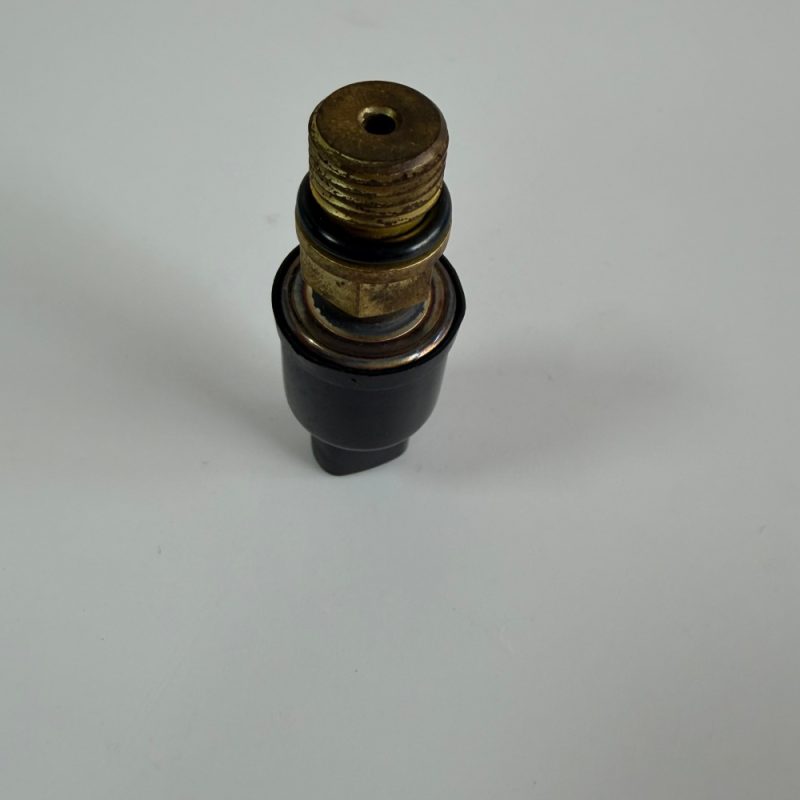
Thread diameter is 13mm – not 12mm, not 14mm. That means:
-
Do not force a 12mm sensor – it will leak.
-
Do not use adapters – they introduce extra leak points.
-
Do not overtighten – torque spec is 18–22 Nm (hand‑tight plus 1/3 turn with a wrench).
| Tool | Size |
|---|---|
| Wrench (hex on sensor body) | 17mm or 19mm (depending on manufacturer) |
| Thread sealant | None – the o‑ring seals. PTFE tape can block the tiny pressure port. |
Included: New o‑ring (material: NBR, fuel/oil resistant). Always replace the o‑ring – old ones flatten and leak.
7. Real Case – The “Slow Digging” That Cost $2,800 in Unnecessary Parts
A quarry in Vietnam had an EX300-5 that felt underpowered. The owner replaced:
-
Main pump (refurbished) – $2,000
-
Hydraulic oil and filters – $600
-
Pilot filter – $200
Still slow. We were called in. We connected a pressure gauge to the main pump discharge port and compared it to the ECU’s displayed pressure (from sensor 4333040).
| Actual pressure (gauge) | ECU‑displayed pressure | Difference |
|---|---|---|
| 320 bar | 180 bar | 140 bar low |
The sensor was reading 180 bar when actual pressure was 320 bar. The ECU thought the pump was not working hard, so it kept the pump flow limited – a classic negative feedback loop.
Fix: One new 4333040 sensor. Cost: under $100. The machine dug normally immediately.
Lesson: Always compare actual pressure to sensor reading before condemning the pump. A $100 sensor can save a $2,000 pump replacement.
8. Compatibility – Exact Fit for EX200-5, EX300-5
| Machine | Location | Verified |
|---|---|---|
| EX200-5 | Main pump discharge (or swing pressure) | Yes |
| EX300-5 | Same | Yes |
| EX220-5 | Same (check harness length) | Yes |
| EX270-5 | Same | Yes |
Not compatible with: ZAX series (uses different sensor generations – 3‑pin typically). Always send a photo of your old sensor to confirm.
9. Product Contents – What You Receive
| Item | Included | Note |
|---|---|---|
| Pressure sensor 4333040 | ✅ | Genuine Hitachi, made in Japan |
| O‑ring (for port) | ✅ | Pre‑installed or separate (check packaging) |
| Protective cap | ✅ | Removable |
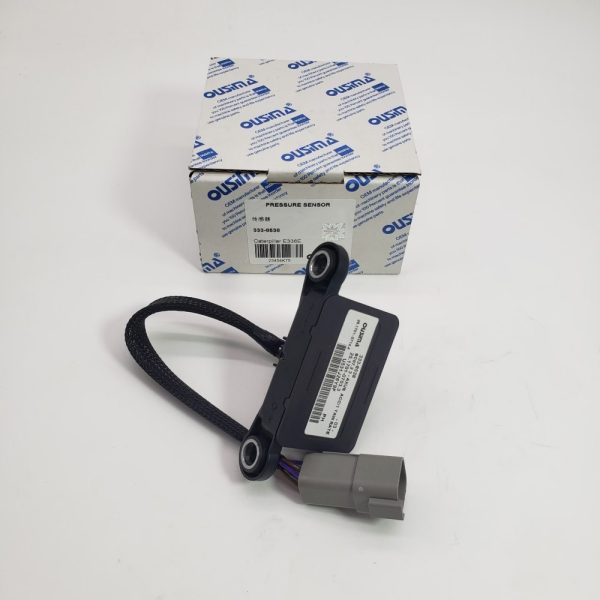
| Paper box | ✅ | With part number label |
| (Optional) 2‑pin pigtail harness | Upon request | 30cm, waterproof, with heat shrink |
Not included: Thread sealant (do not use), dielectric grease (recommended but not supplied).
10. Ordering & Delivery
| Item | Detail |
|---|---|
| MOQ | 1 piece |
| Lead time | 6–8 working days |
| Packaging | Paper box + bubble wrap in carton |
| Payment | T/T, XTransfer, PayPal, Western Union |
| Supply capacity | 300 pcs/month (genuine, limited) |
| Warranty | 6 months (manufacturing defects) |
11. Before You Order – Quick Verification
Send us:
-
One clear photo of your old sensor (showing the connector, part number if visible, and the thread area)
-
Machine serial number (EX200-5-xxxxx or EX300-5-xxxxx)
-
If possible, resistance reading (between the two pins) – helps us confirm before shipping