Описание
Caterpillar’s title for this part carries a figure that most pump listings leave out: 32 cc. That single number is the reason two pumps with the same bolt pattern can behave very differently on the same loader, and it is worth understanding before you accept a substitute.
What the catalogue states
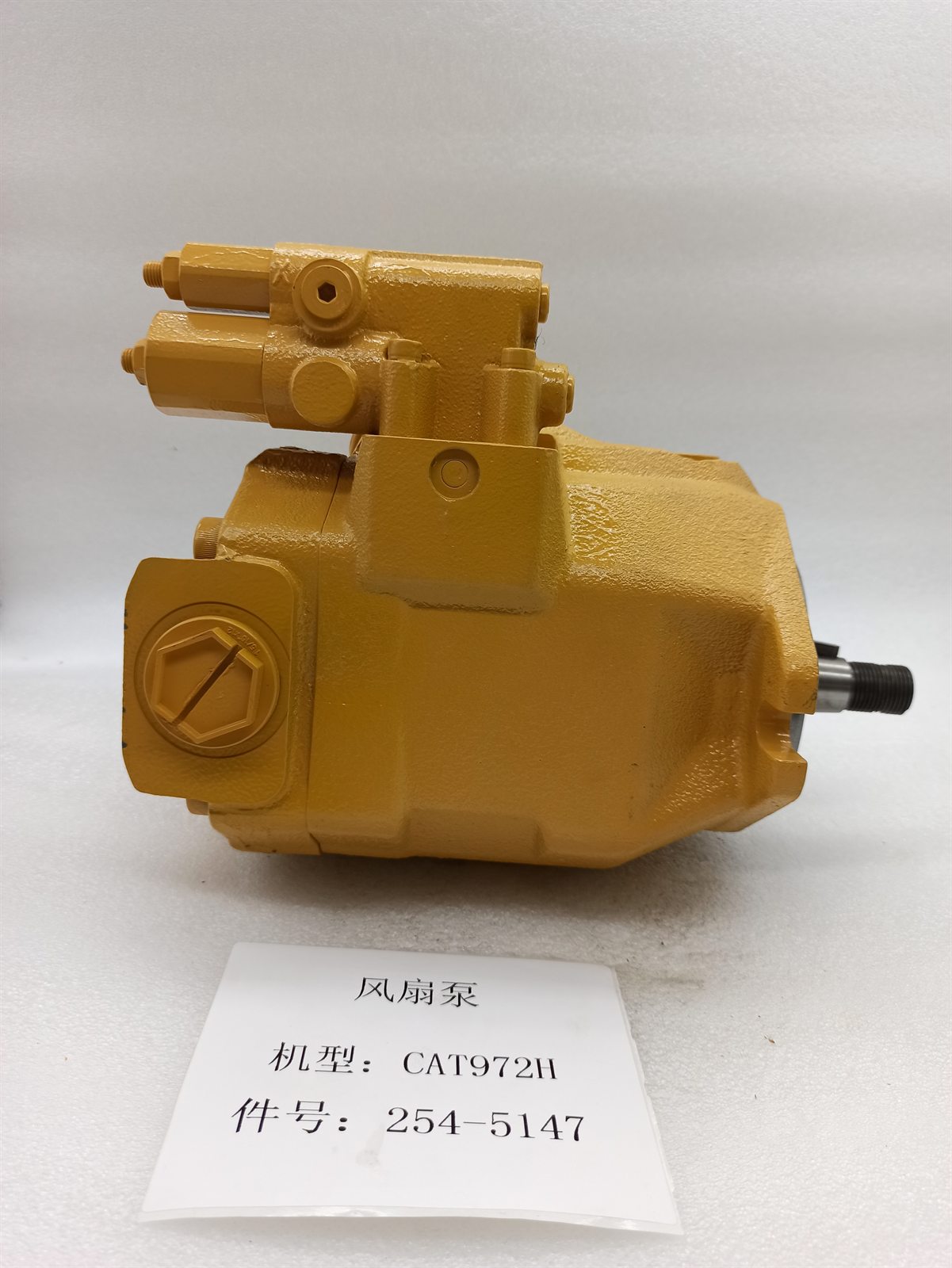
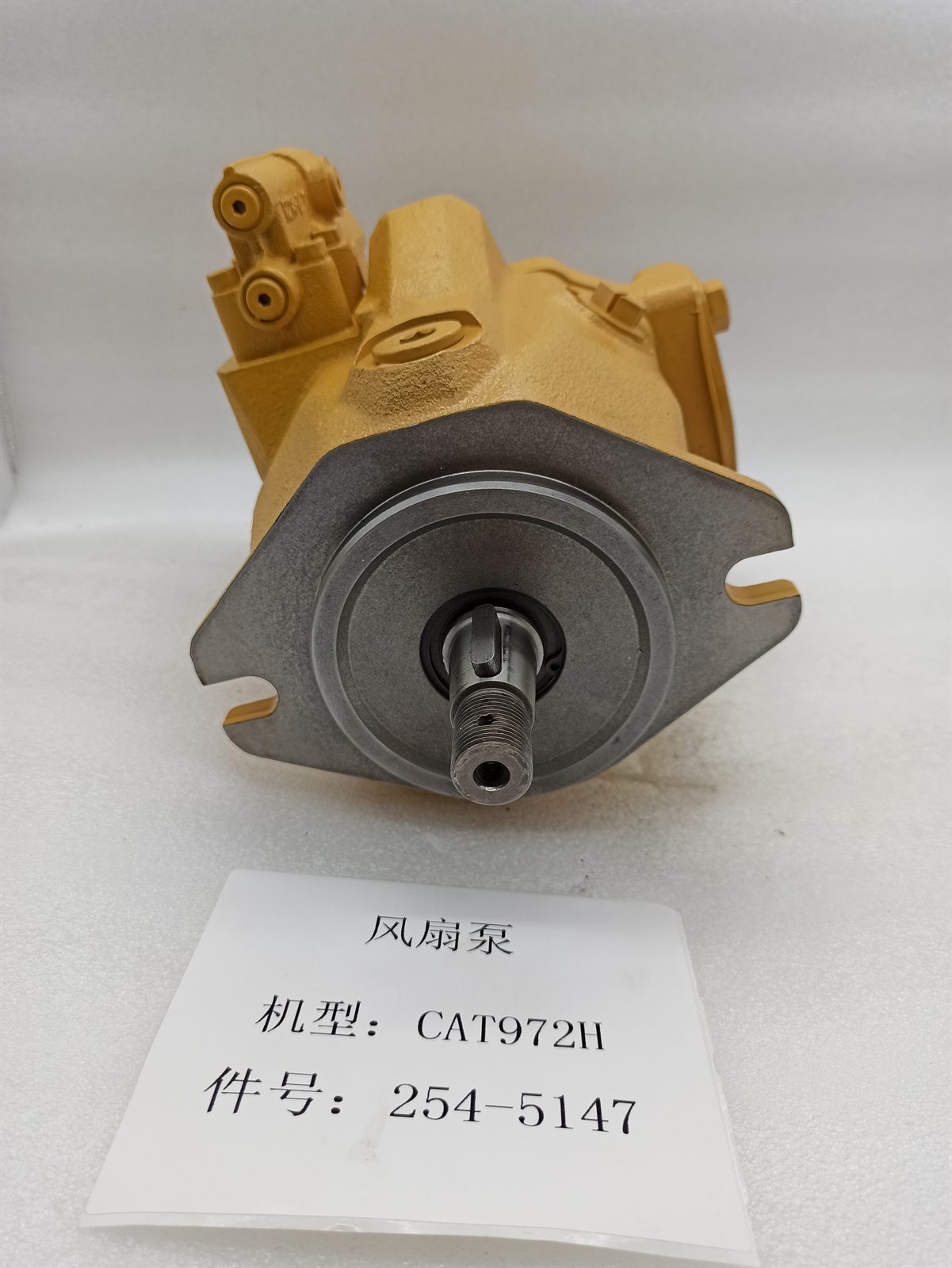
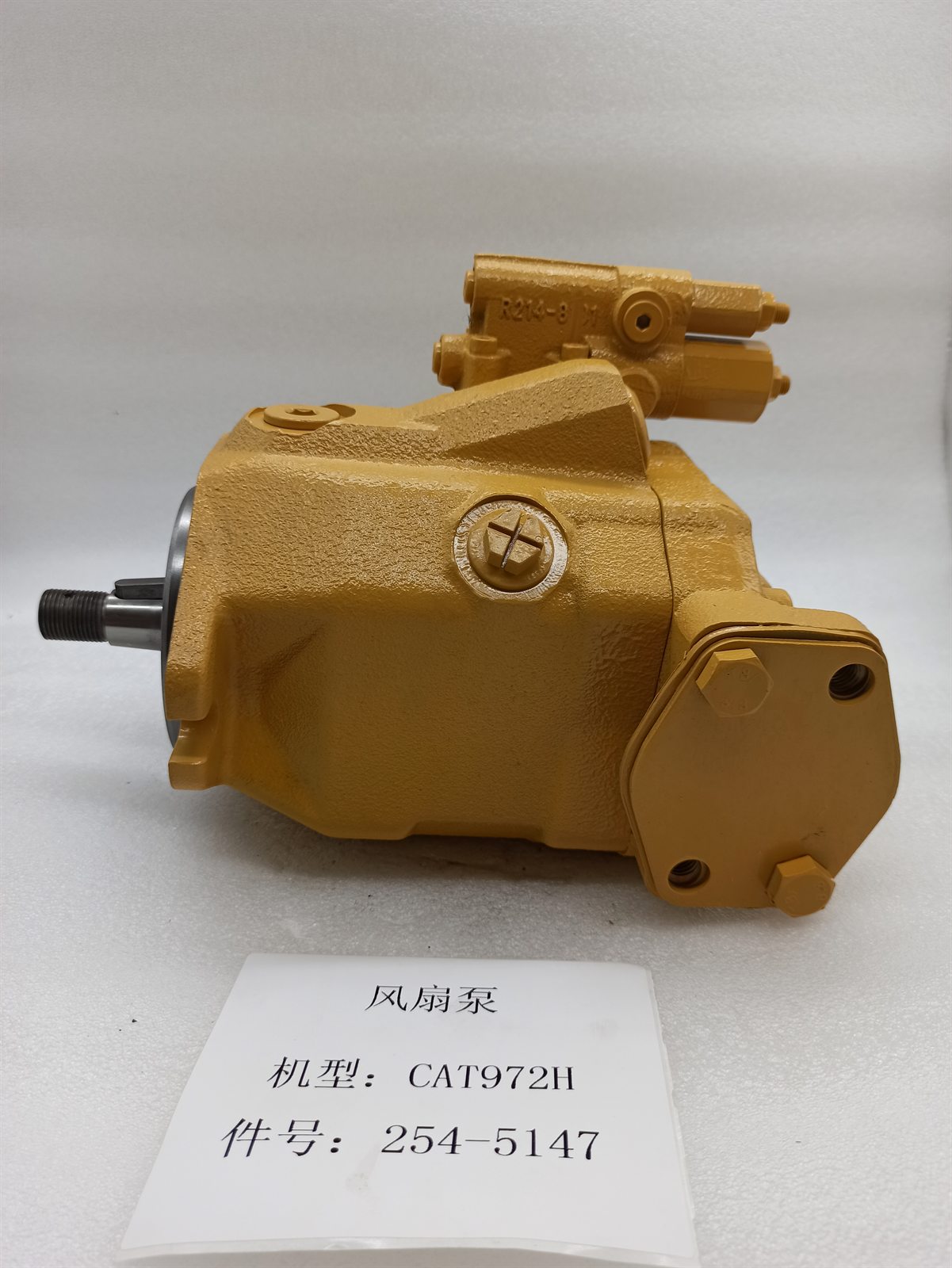
254-5147 is listed as a 32 cc Basic Piston Pump, and the remanufactured cross-reference is 10R-7698. Trade parts data and the manufacturer’s own identification place it in the cooling fan circuit of the 966H and 972H, and the unit we photograph carries a sticker reading fan pump, model CAT972H, part number 254-5147, with the housing cast 0246.
Why displacement is the number that matters
A fan pump’s job is to convert engine rotation into oil volume for the fan motor. Displacement per revolution sets how much volume it moves at a given speed, so a substitute with a different cc will change the fan’s behaviour even if it bolts straight on. Too small and the fan never reaches full speed on a hot day. Too large and the fan runs hard when the machine does not need cooling, costing fuel and driving noise, and in both cases the pump is working outside what the circuit was designed around.
This is the specific reason we push back on substitutions offered by size or bolt pattern alone. A pump that fits and moves the wrong volume is not an equivalent part; it is a different part that happens to install cleanly.
Applicability
CAT 966H and 972H wheel loaders with the C11 and C13 ACERT engines. The 966H is a machine of about 23,700 kg with 195 kW (265 hp) net to ISO 9249 and a work-tool pump delivering 305 L/min; the 972H runs the C13 at 287 hp net. Both use this pump in the fan circuit. Note that Cat’s current-generation 966 is a different machine again, and this number does not carry across generations.
Diagnosing a fan pump on a loader
Loader duty cycles are brutal on cooling because the machine alternates full load and idle many times an hour, and the fan has to keep up with both. Work through this order:
- Clean the core faces and re-measure. Do this first, always, and log the difference.
- Check oil level, the return filter condition and the suction strainer. Starvation mimics pump wear.
- Measure delivery pressure and flow at the pump with the oil at working temperature. Our hydraulic fan pump diagnosis guide covers the setup.
- Confirm the control is being commanded, using regulator diagnosis and adjustment.
- Only then condemn the pump, and inspect the drive that turns it with the transfer case guide if a previous pump failed early.
Fitting
Match shaft spline, pilot diameter, flange, port positions and control orientation against the removed pump. Prime the casing with clean oil before cranking. Fit a new return filter element and clear the suction strainer, targeting ISO 4406 18/16/13 for the piston components in the circuit. Keep the case drain unrestricted to tank. Prove full fan speed under thermal load and record both temperatures.
Terms
Minimum order one piece. New aftermarket units carry a three to six month warranty as stated on your proforma invoice. Bench tested, photographed against your order before the wooden case closes, delivery 5 to 8 working days from payment subject to stock. The 980H fan pump is 235-2716 and the 950H and 962H pump is 254-5146; the full range is under Caterpillar hydraulic fan motor.