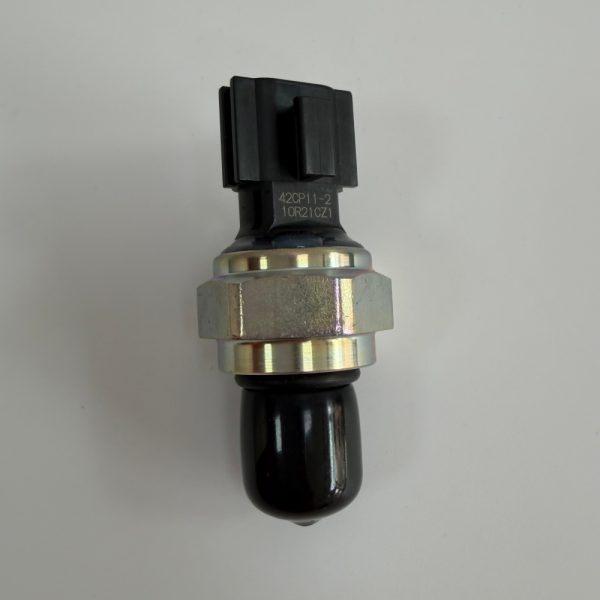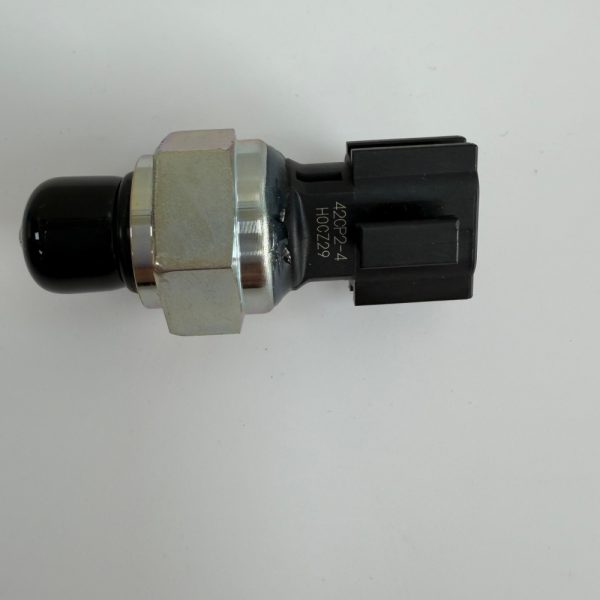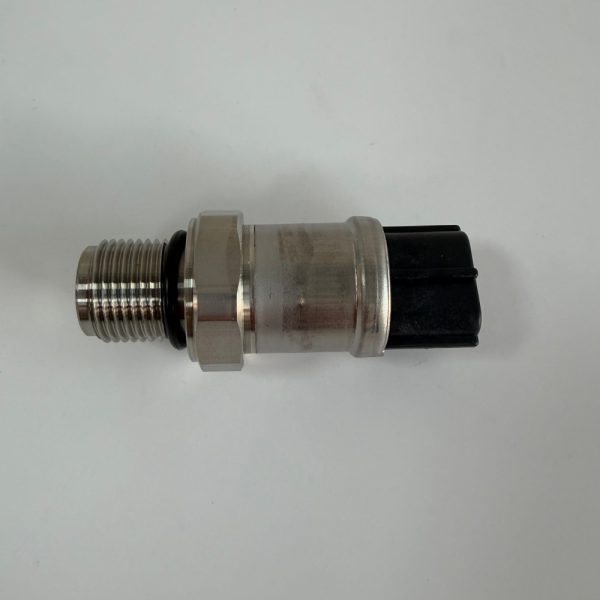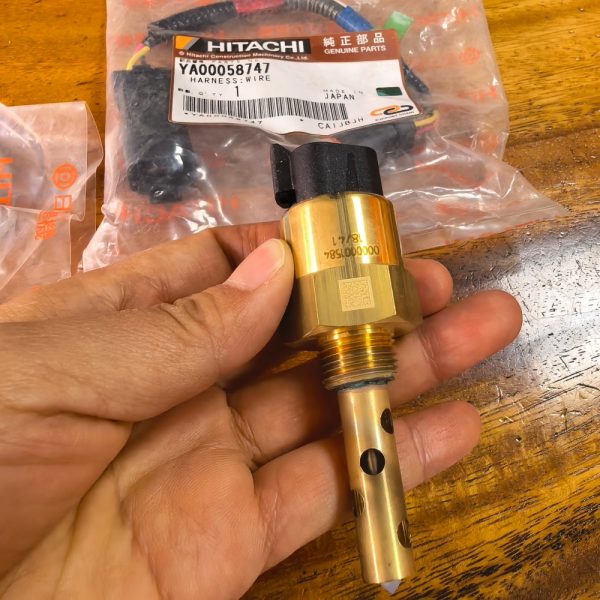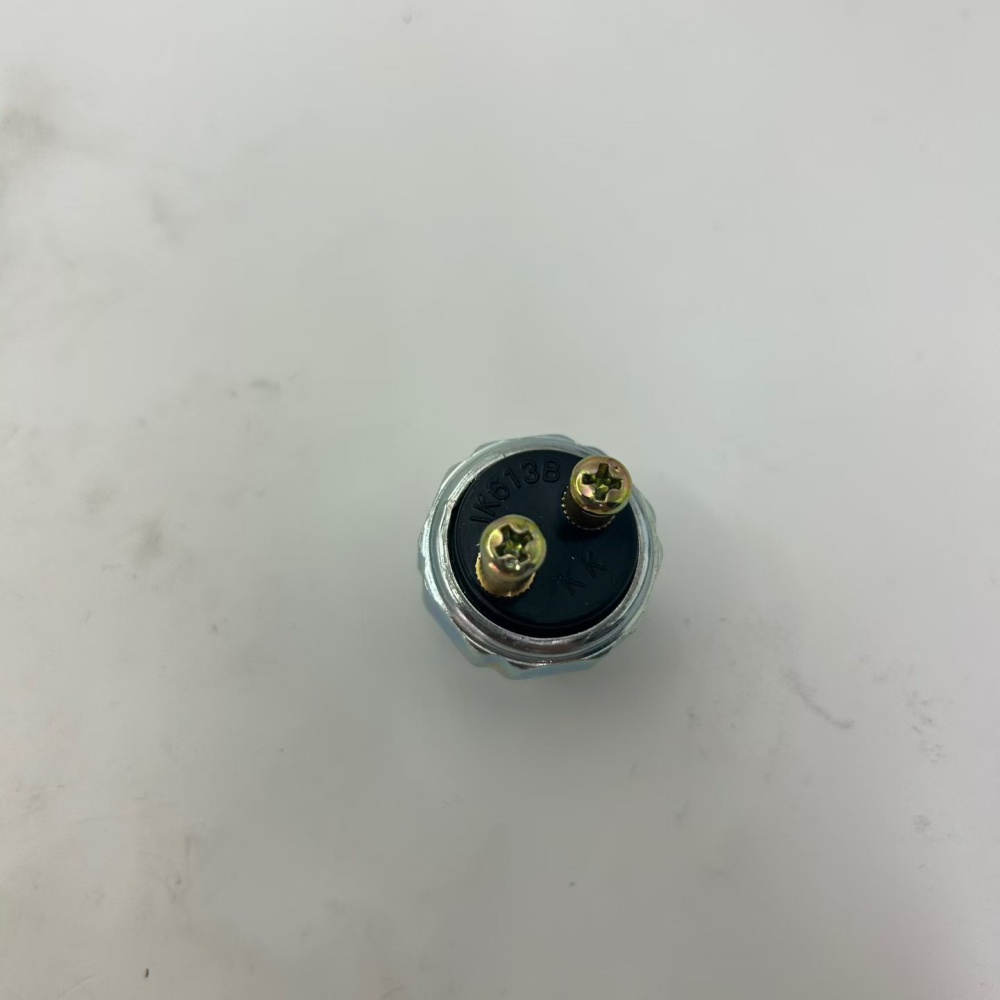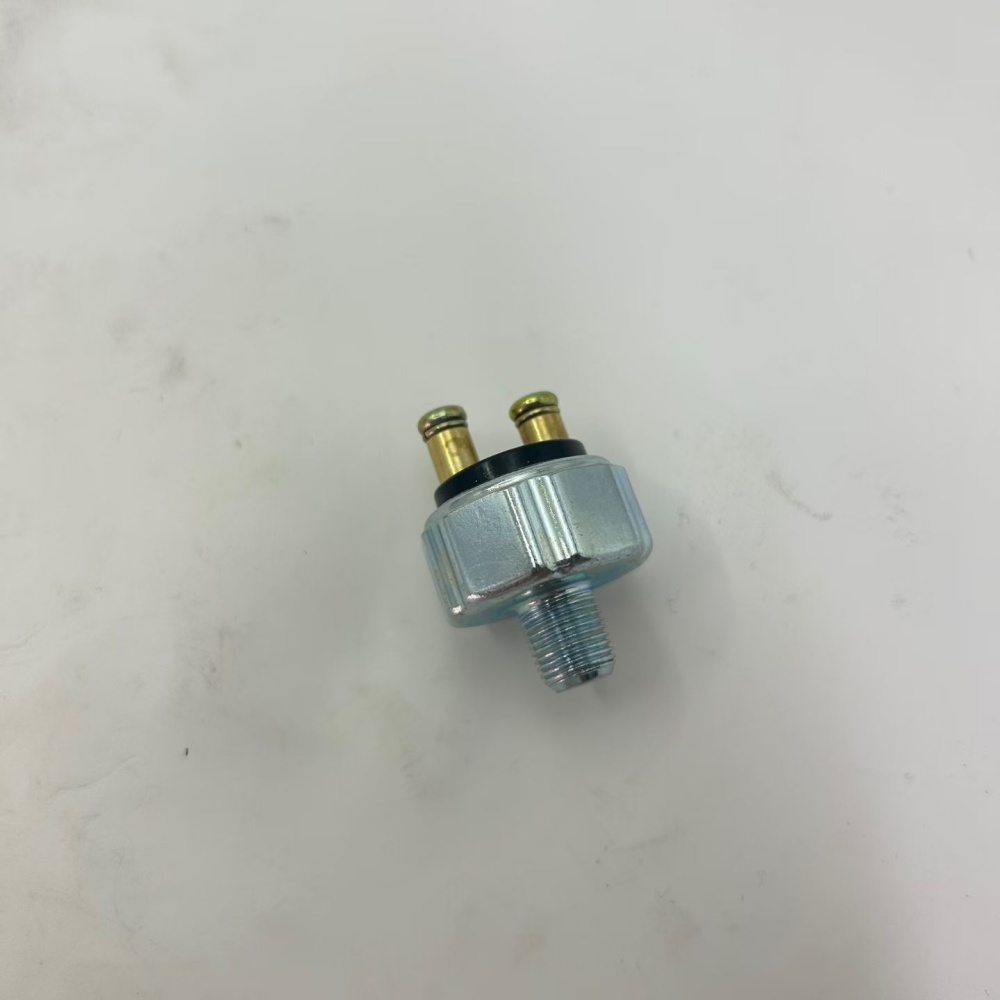




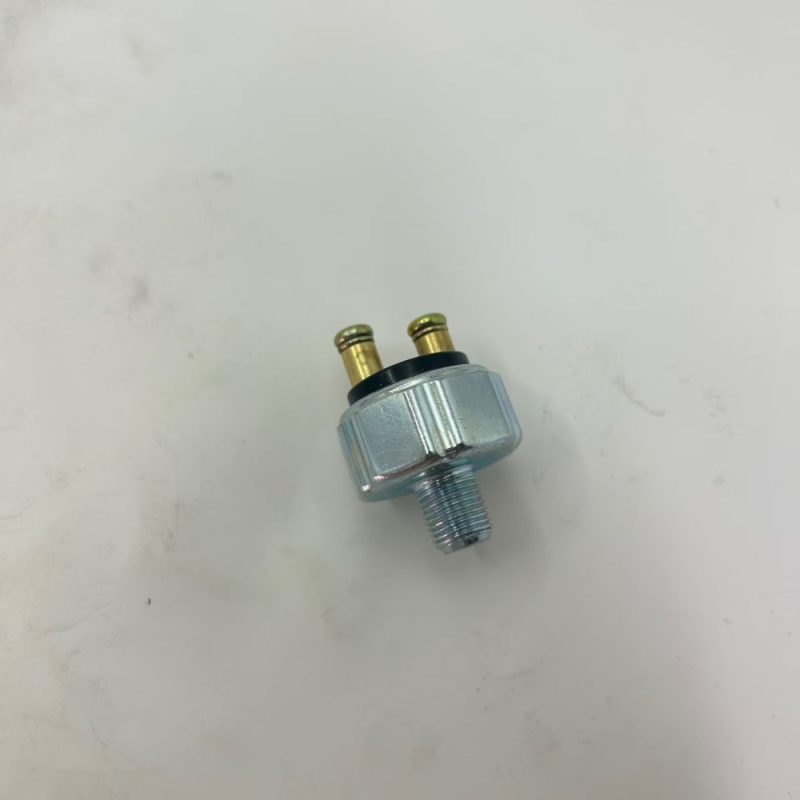
Description
1. What This Sensor Does – Engine’s “Pulse Detector” for ECU
On DX380 excavators equipped with Scania DC9/DC09 engines, the speed sensor (crankshaft position / RPM sensor) is the ECU’s only source of engine rotational speed information. The ECU uses this signal for:
| Function | What ECU Needs Speed For |
|---|---|
| Fuel injection timing | Determines exactly when to fire each injector |
| Engine speed monitoring | Prevents over-speed and detects stall conditions |
| Hydraulic pump control | Adjusts pump flow based on actual engine load |
| Diagnostic checks | Compares actual RPM to commanded RPM to detect misfires |
| Tachometer display | Shows operator accurate engine RPM |
If this signal is lost or corrupted: The ECU loses synchronization with the engine. Injection timing defaults to a safe but inefficient mode. The result is hard starting, rough idle, poor fuel economy, and reduced digging power. Some ECUs will derate the engine to 50% power or refuse to start at all.
2. Induction Sensor – No Contact, No Wear, But Sensitive to Gap
The speed sensors listed here (AT393721, 18859995C91, 385820480) are inductive (magnetic) sensors – they generate an AC voltage signal when iron teeth on the flywheel or crankshaft tone ring pass the sensor tip. Because there’s no physical contact, they don’t wear out like contact sensors. However, they are sensitive to:
| Sensitivity | Effect of Misadjustment |
|---|---|
| Air gap too large | Weak signal – intermittent RPM reading, especially at low cranking speeds (hard starting) |
| Air gap too small | Sensor tip may hit flywheel teeth – damage to sensor and teeth |
| Magnetic debris on tip | Signal distortion – erratic RPM readings |
Typical inductive sensor characteristics:
| Parameter | Specification |
|---|---|
| Coil resistance | 550–1,200 Ω (typically 800–1,000 Ω for Scania) |
| Output voltage (cranking) | 1.0–2.5 V AC (varies with cranking speed) |
| Output voltage (running) | 3.0–5.0 V AC (at 1,800 RPM) |
| Number of poles | 3 (some variants – power, ground, signal) |
| Air gap (to tone ring) | 0.5–1.5 mm (check engine manual for exact spec) |
When to test: If the engine cranks but doesn’t start, or if it starts but the tachometer shows zero RPM while running – suspect the speed sensor or its wiring.
3. The “No Start, No RPM” Scenario – Real Failure Case
A DX380 in a Malaysian quarry would crank normally but not start. The operator cycled the key multiple times; eventually it would start but ran rough. The workshop replaced the starter, batteries, and fuel filters – $1,200 in parts – with no improvement.
We connected a diagnostic tool and watched the RPM reading during cranking: 0 RPM. The ECU was receiving no speed signal, so it never enabled injection. The sensor was functional but the air gap had increased due to vibration – the sensor had loosened slightly and backed out by 0.3 mm.
Fix: Cleaned the sensor tip, reinstalled with thread lock compound to prevent back-out, set air gap to 0.8 mm. The engine started instantly.
Lesson for DX380 owners: When the engine cranks but doesn’t start, don’t immediately suspect fuel. Check RPM reading on the monitor first. No RPM = ECU doesn’t know the engine is turning, so it won’t fire injectors.
4. Which Sensor Fits Your DX380 – Interchange Guide
| Part Number | Compatibility with DX380 / Scania DC9/DC09 |
|---|---|
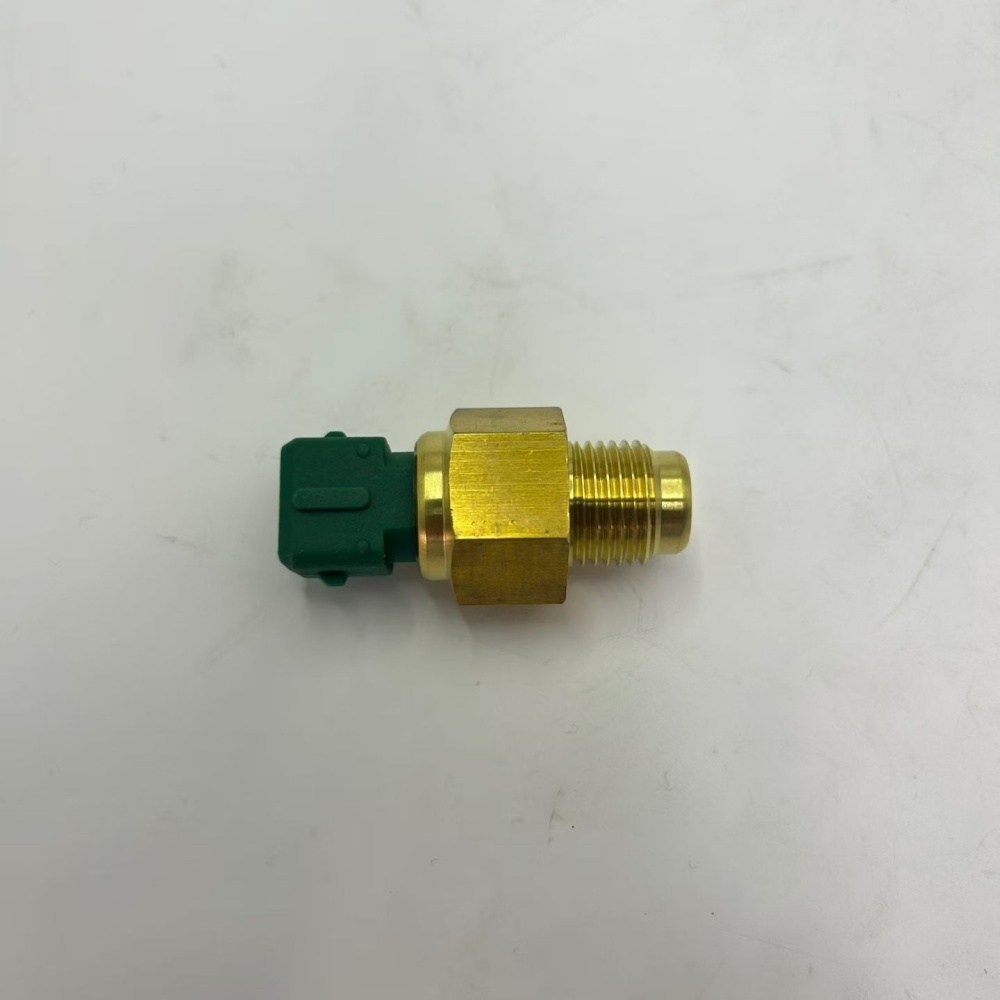
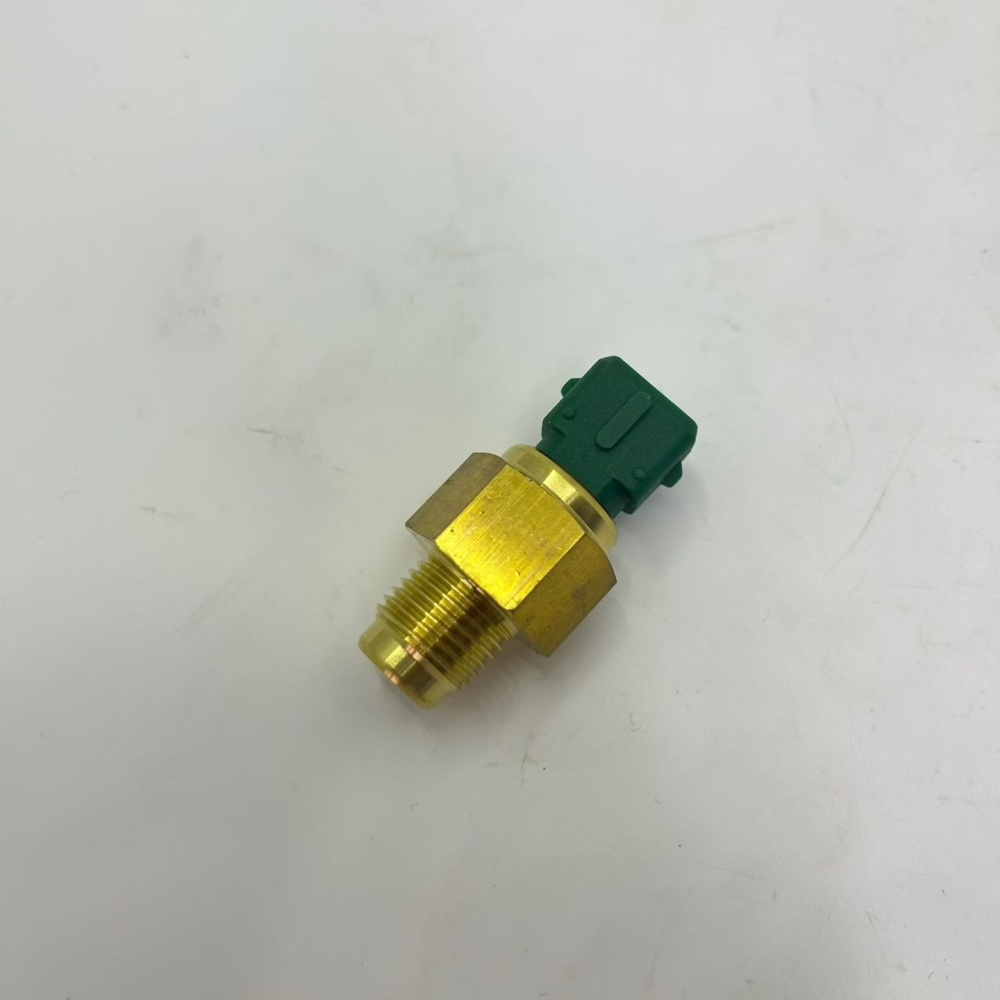
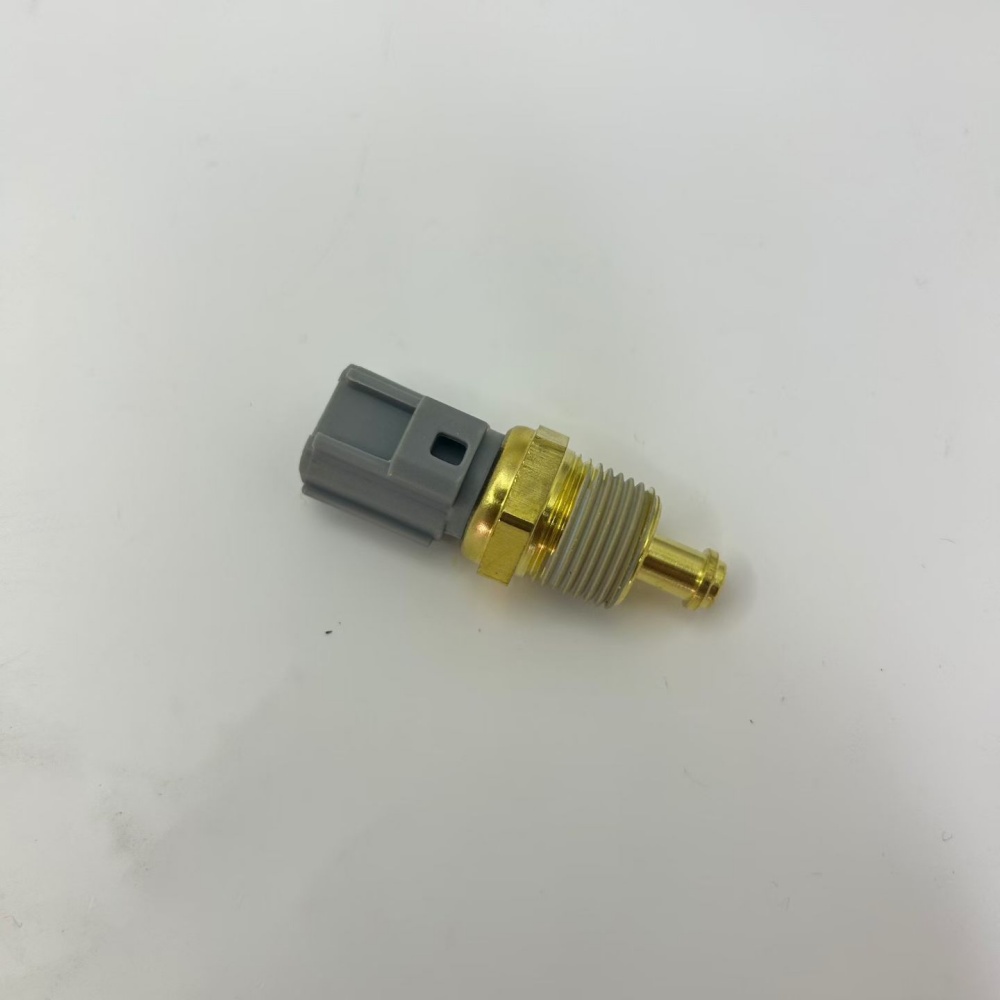
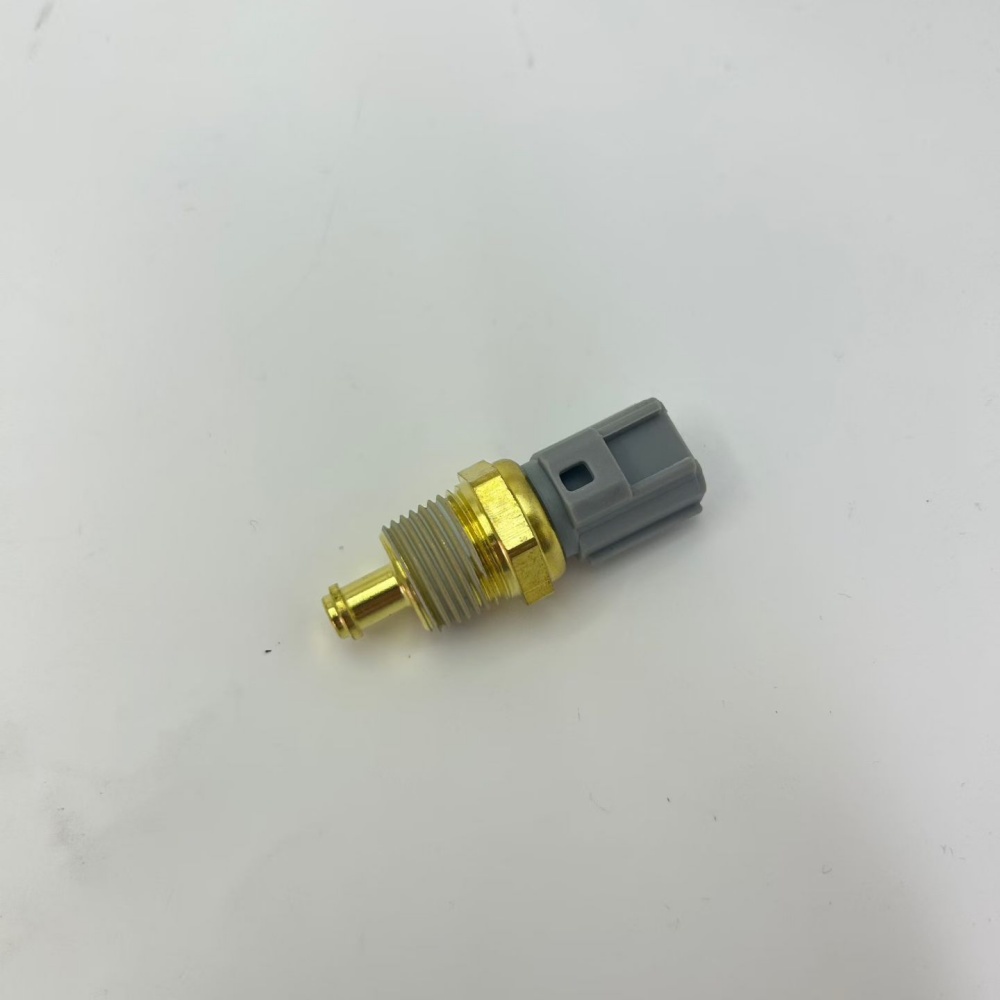
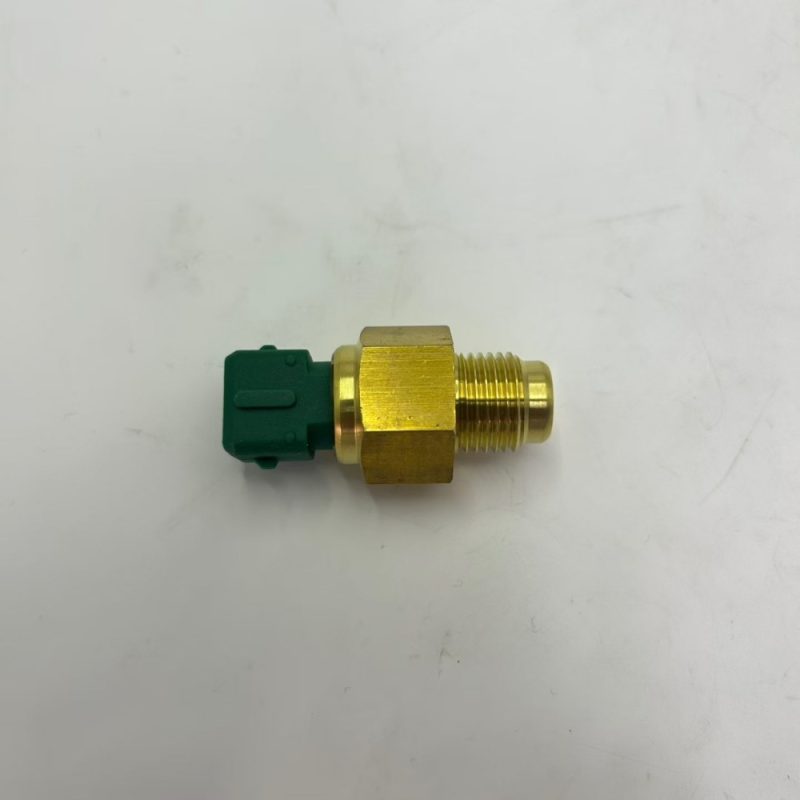
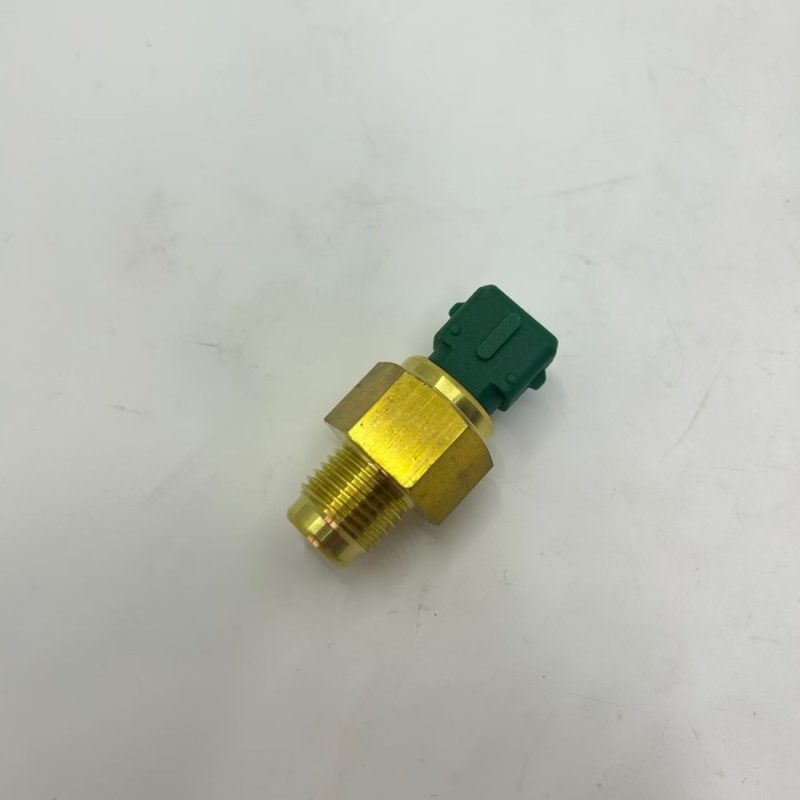
| AT393721 | Main OE reference. Typically has 3‑pin rectangular connector, inductive type. |
| 18859995C91 | Alternative OE number – same sensor, different packaging. Confirm connector style. |
| 385820480 | Another supersession number – interchangeable with the above. |
The three numbers are largely interchangeable across Scania DC9/DC09 engines. However, different production years may have different connector shapes (rectangular vs round) or cable lengths. We strongly recommend verifying by:
Checking your original sensor’s visible part number
Sending us a photo of the old sensor and its connector
We will confirm fitment within 2 hours.
5. Three Common Failure Modes – And How to Spot Them
| Failure Mode | Cause | Symptom | Test Method |
|---|---|---|---|
| Open circuit | Internal coil wire break (heat cycles) | Engine cranks but no start – ECU sees 0 RPM | Measure resistance across pins: infinite = open |
| Short circuit | Insulation breakdown | Erratic RPM reading – engine runs rough | Resistance < 300 Ω (too low) |
| Magnetic debris | Metal particles stuck to tip | Weak starting, intermittent no‑start | Remove sensor – inspect tip visually |
Quick multimeter test:
| Step | Action | Good Result |
|---|---|---|
| 1 | Disconnect sensor from harness | – |
| 2 | Measure resistance between the two signal pins | 550–1,200 Ω (typically 800–1,000 Ω) |
| 3 | Measure resistance from either pin to sensor body | Infinite (no short to ground) |
If resistance is out of range – replace the sensor.
6. Installation – The Air Gap Is Critical
The single most common installation mistake on Scania DC9/DC09 engines is incorrect air gap.
| Step | Action | Specification |
|---|---|---|
| 1 | Clean the mounting hole and sensor tip | Remove any debris or old sealant |
| 2 | Hand‑thread sensor until it lightly contacts the tone ring | Do not force – just touch |
| 3 | Back out the sensor by specified turns | Typically 1/4 to 1/2 turn (check manual) |
| 4 | Lock in place with lock washer or thread lock compound | Prevents vibration from changing gap |
| 5 | Reconnect harness – apply dielectric grease to pins | Prevents corrosion |
| 6 | Torque lock nut (if equipped) | 20–25 Nm – do not overtighten |
Important: If the air gap is too large, the sensor will produce a weak signal. The engine may start but the tachometer will read zero while running – or the engine may stall intermittently.
If you don’t have the exact gap specification for your engine variant, we can provide it after receiving your engine serial number.
7. Which DX380 Variants Use This Sensor
DX380 excavators with Scania engines come in several generations. The speed sensor covers:
| Model | Engine | Compatible |
|---|---|---|
| DX380-7 (early) | Scania DC09 | ✅ Yes |
| DX380-9C | Scania DC9 | ✅ Yes |
| DX380LC-7K | Scania DC09 | ✅ Yes |
| DX380DM-7 | Scania DC9 | ✅ Yes |
| DX380HD | Scania DC9 | ✅ Yes |
| DX380 (China IV / Stage V) | Scania DC9 | ✅ Yes (confirm connector style) |
Engine details: 5‑cylinder, 9.0–9.3L displacement, 214–240 kW (287–326 HP) at 1,800 RPM, common rail injection, uses inductive speed sensor for crank position detection.
Not compatible with: DX380 models using Cummins or Doosan DE12TIA engines – those use different sensors (different part families).
8. Product Contents – What You Receive
| Item | Included |
|---|---|
| Speed sensor (AT393721 / 18859995C91 / 385820480) | ✅ (China manufacturer, meets OE specs) |
| O-ring or copper washer (depending on mount type) | ✅ |
| Lock washer (if applicable) | ✅ |
| Protective cap (on sensor tip) | ✅ |
| Paper box with part number label | ✅ |
Not included: Harness pigtail (sensor connector is included – harness is part of machine). If your harness connector is damaged, we can supply a replacement pigtail – ask.
9. Ordering & Delivery
| Item | Detail |
|---|---|
| MOQ | 1 piece |
| Lead time | 6–8 working days |
| Packaging | Paper box + bubble wrap in carton |
| Payment | T/T, XTransfer, PayPal, Western Union |
| Supply capacity | 500 pcs/month |
| Warranty | 6 months (manufacturing defects – coil open/short, housing cracks) |
Warranty does not cover: Damage from improper installation (wrong air gap, overtightening), physical impact, or electrical shorts caused by contaminated harness connectors.
10. Before You Order – Quick Verification
To confirm the correct sensor for your DX380, send us:
Machine serial number (DX380-xxxxx)
One clear photo of your old sensor (showing the connector, any visible part number, and the tip)
Engine type (DC9 or DC09 – check label on engine valve cover)